Our Process
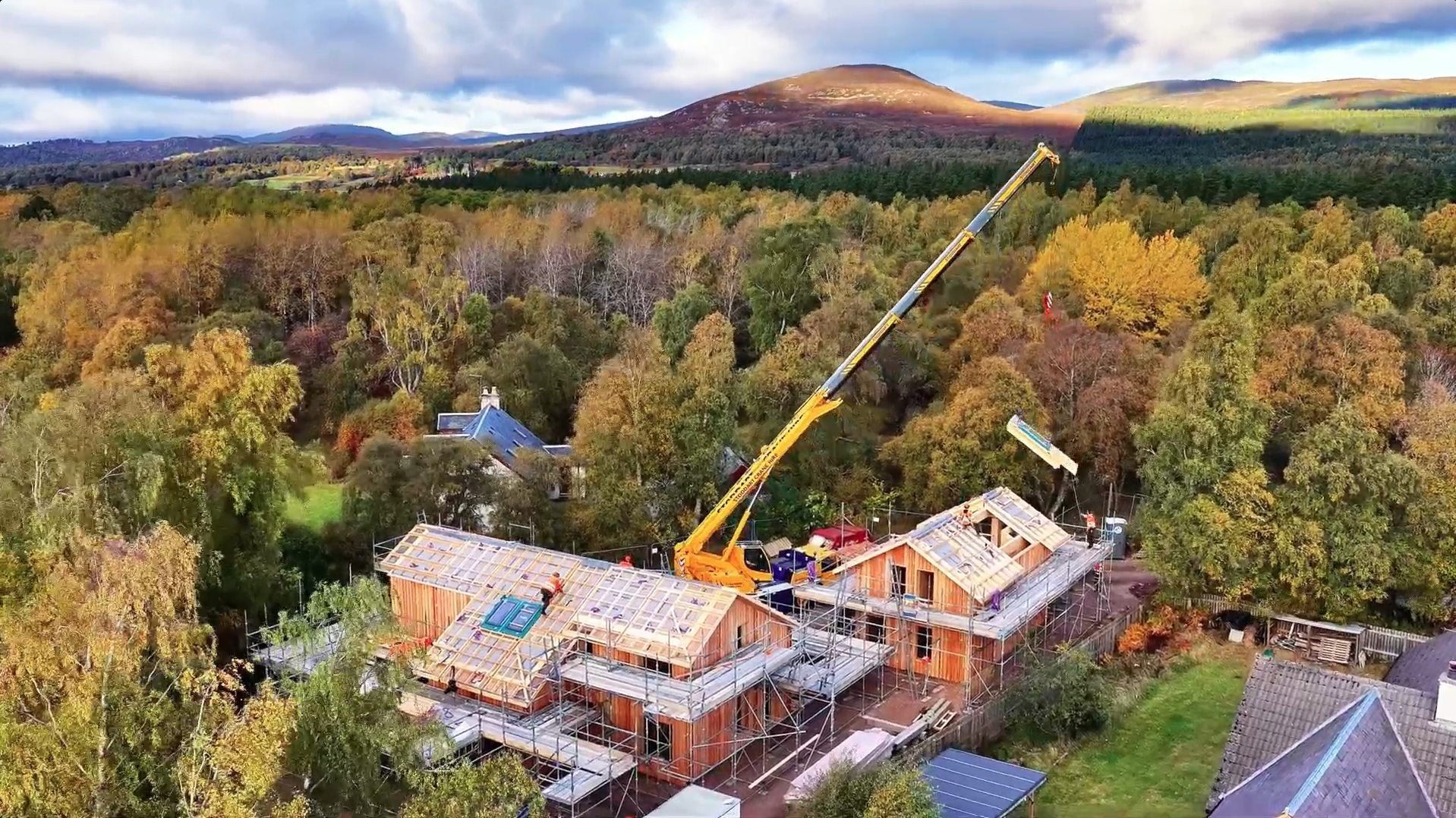
Our design team take you through the design stages, including the Planning and Building Warrant consents. Once the project is underway, your home is carefully manufactured in our Inverness workshop, then, after groundworks, rapidly assembled by a selected team on site, with the foundations and services installed.
We seek to erase the disconnect between design intention and project delivery that is so often the norm within the built environment sector. Developed over two decades, our technology and design-led integrated manufacturing process seamlessly integrates Design for Manufacture and Assembly sequence with digital twin modelling, enabling delivery of the initial project intention.
The result of this integrated approach is a customer-focused business that can provide certainty over design quality, workmanship, programme, and costs. Importantly for our customers, this means that many of the unknowns associated with self-build are removed.
We work continuously to strengthen local supply chains, reducing travel miles and carbon by sourcing Scottish and natural materials wherever possible. Find out more about our key suppliers.
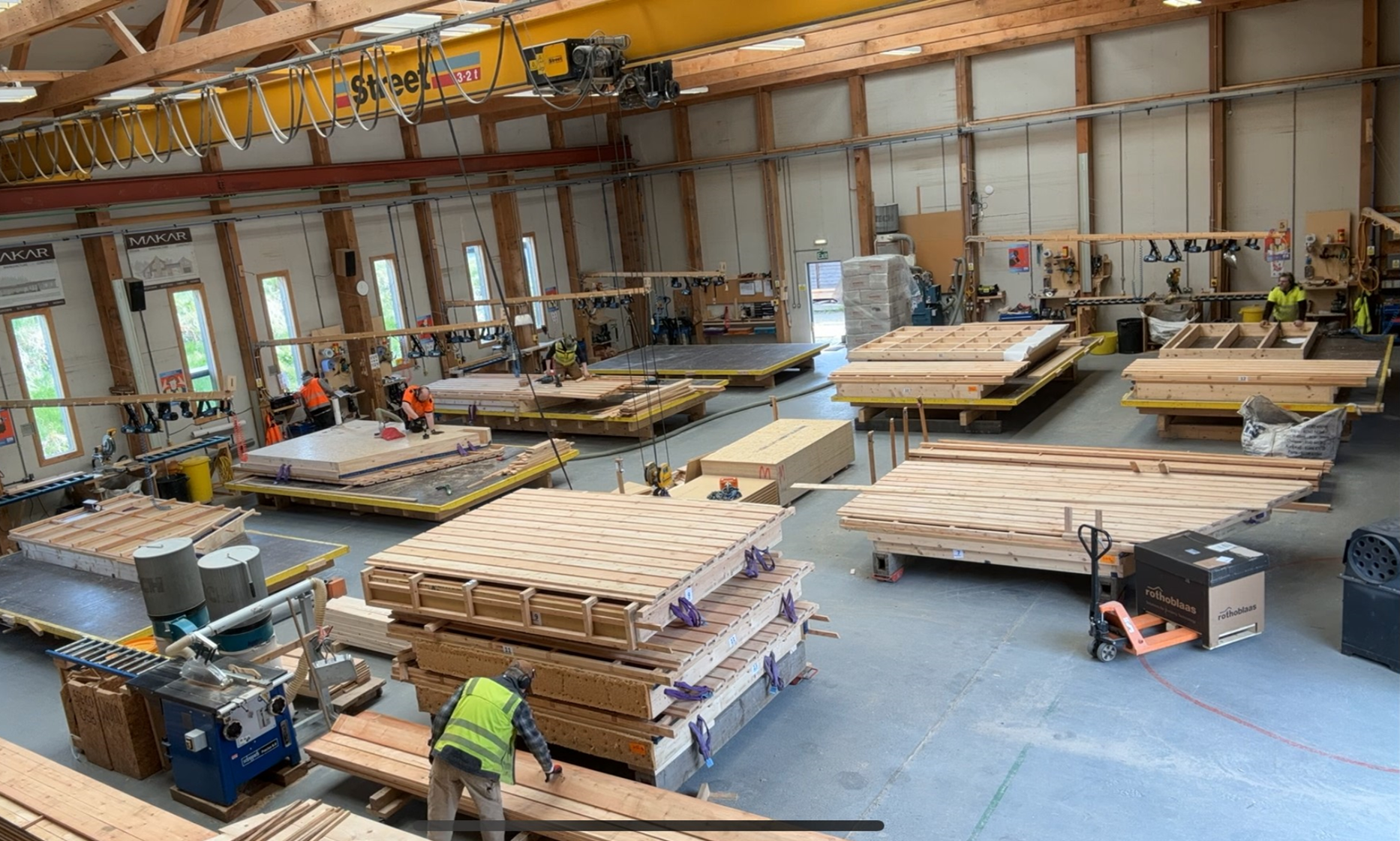
“More like a Formula 1 team garage than a traditional timber workshop!”
Rob Edmonds, Logie Timber
We have pioneered the delivery of low and net-zero-carbon buildings from standardised components, known as natural Structural Insulated Panels (n‑SIPs).
Your build is assembled by our team as a series of panel subassemblies, resulting in a wind and watertight externally complete shell in around five weeks. Getting this fabric-first aspect right is fundamental to the long term success of any home or building. When assembled, we hand the project over to you so it can be fitted out to a point of completion.
Natural Structural Insulated Panels (n-SIPs)
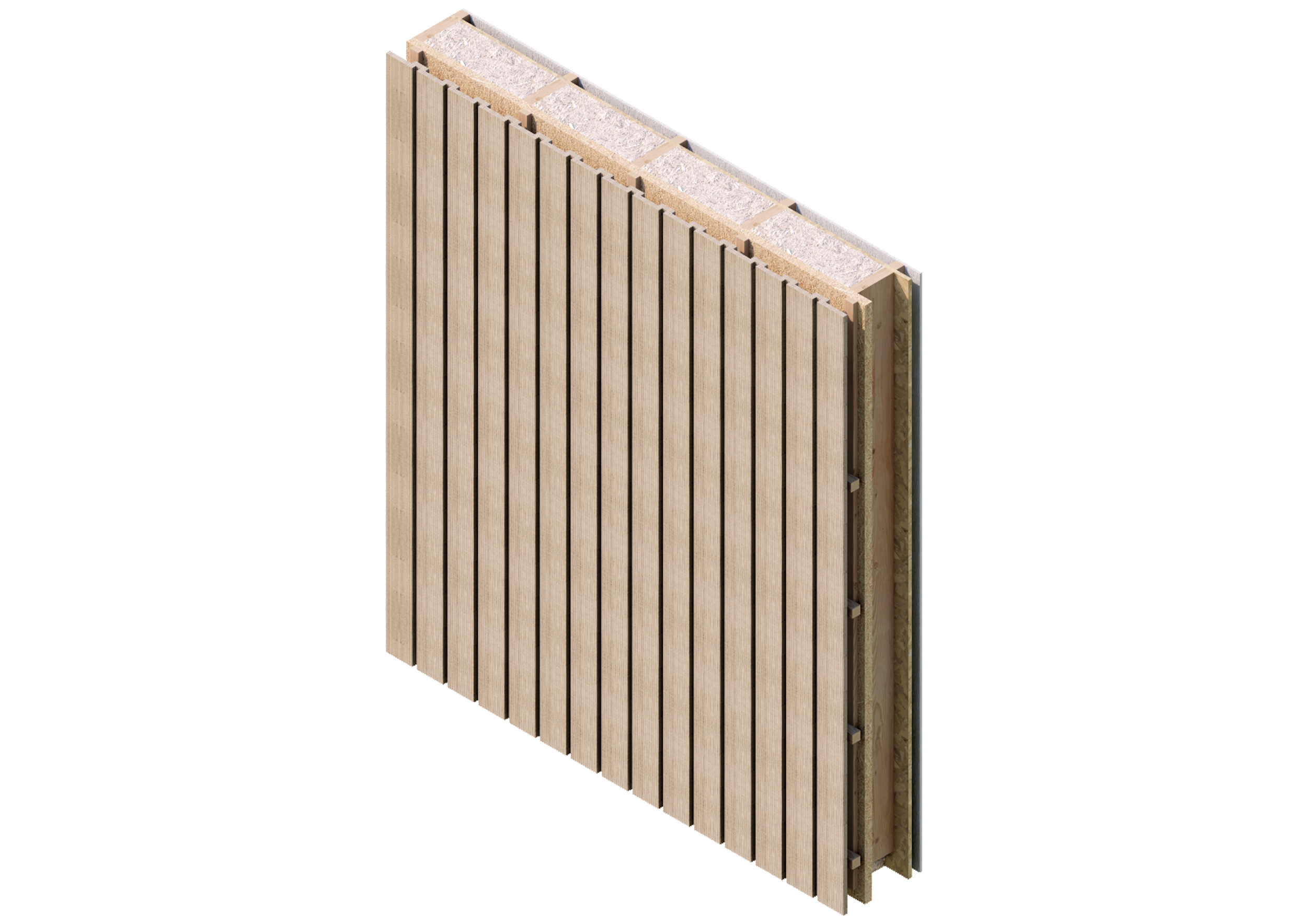
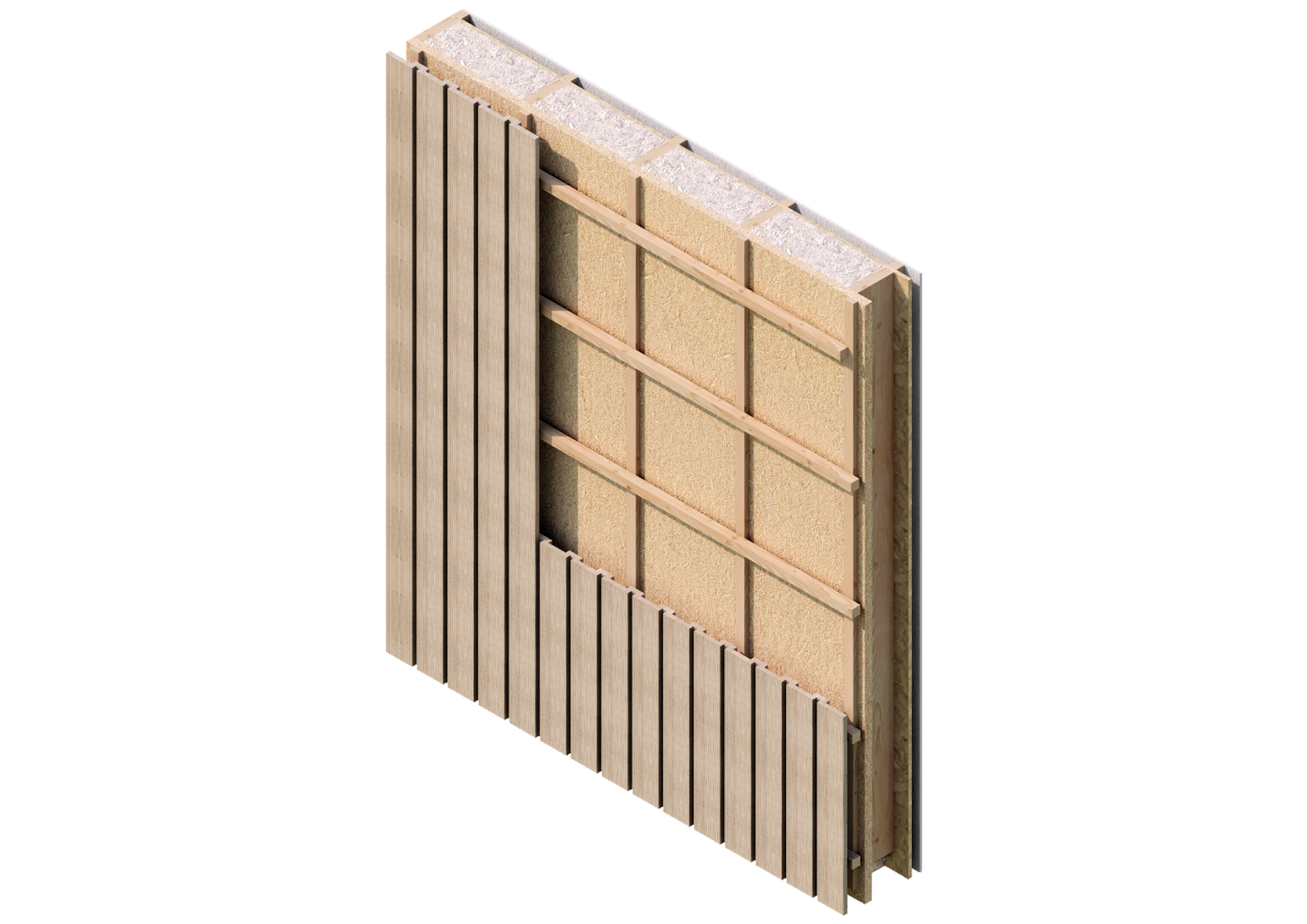
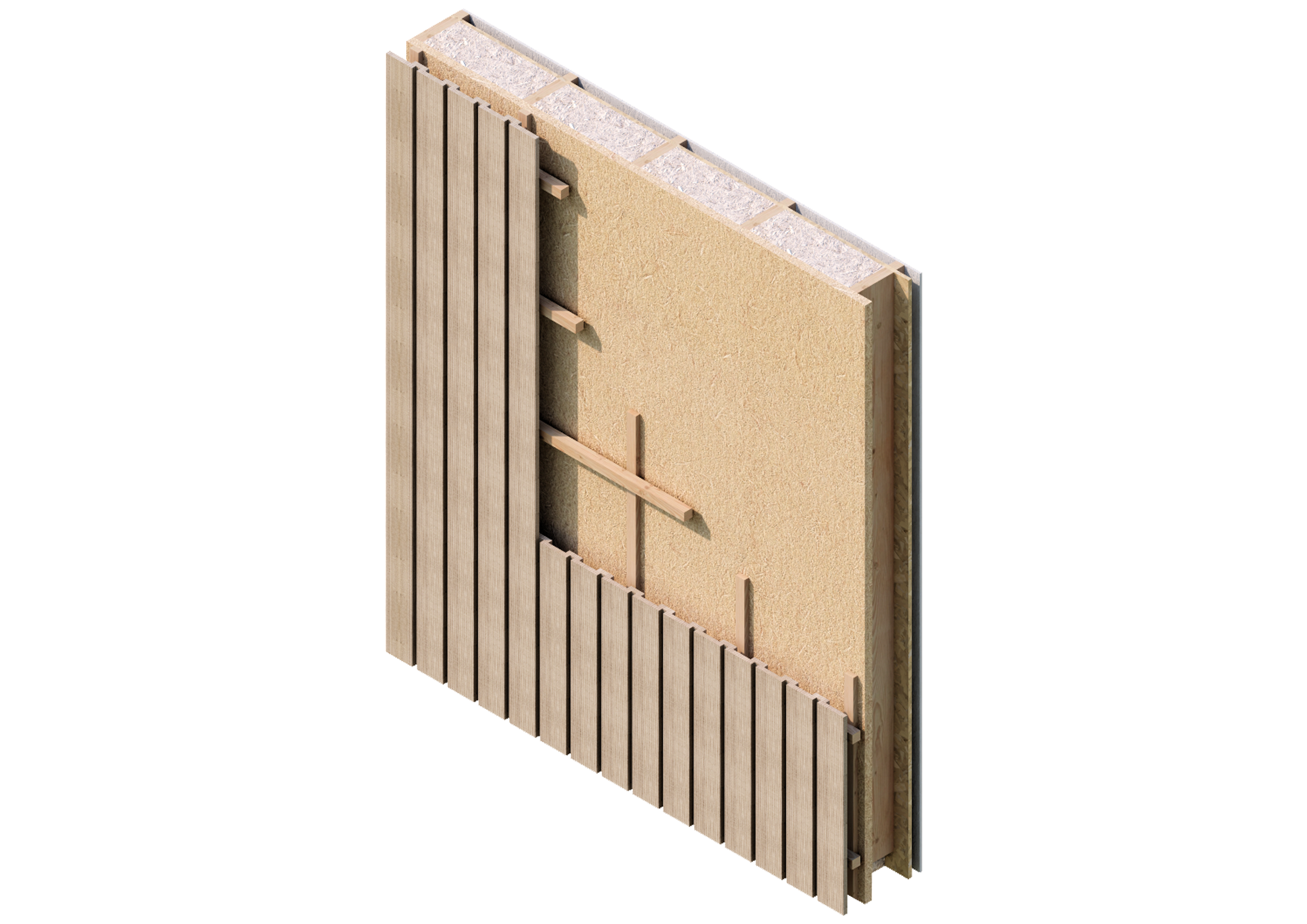
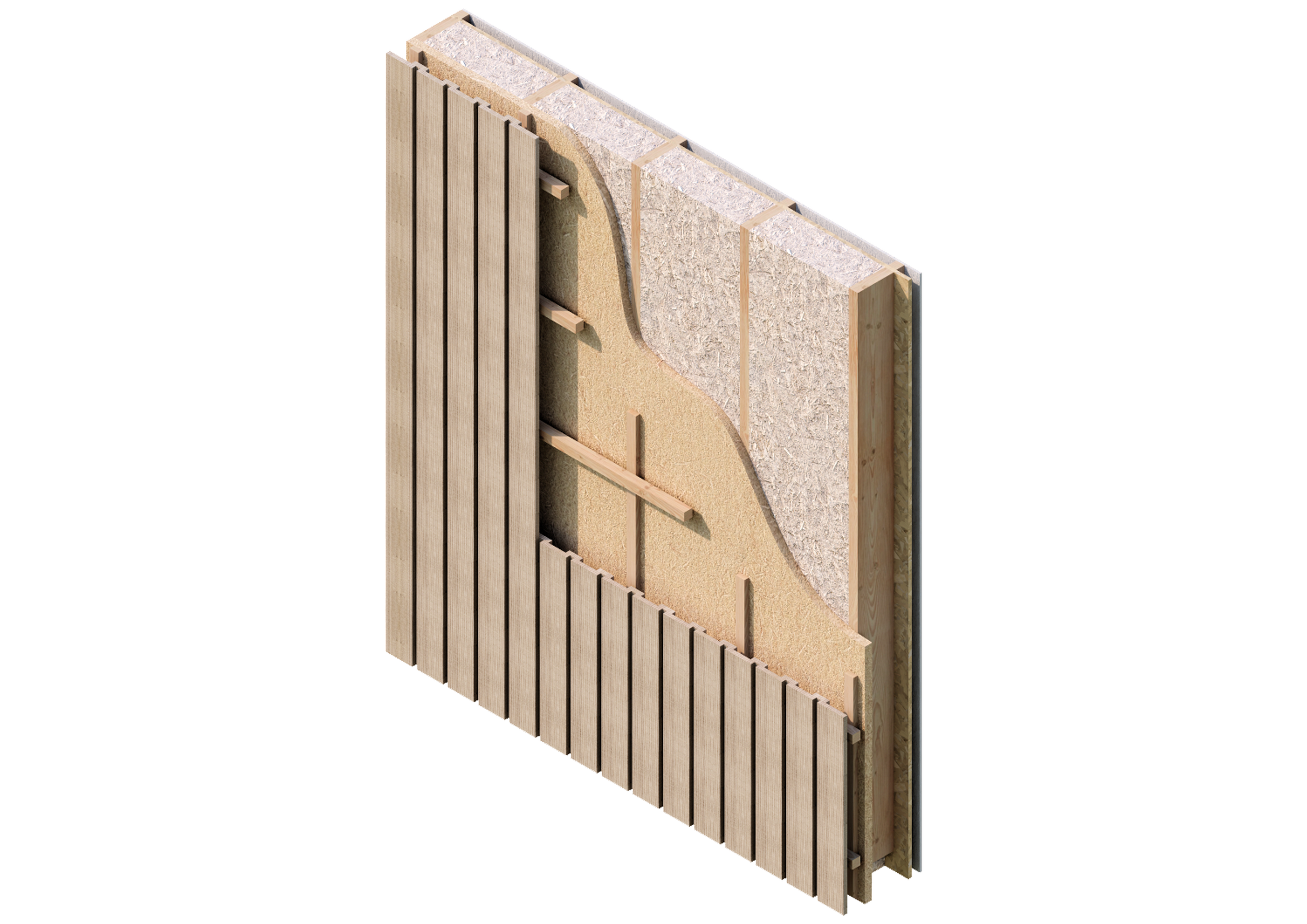
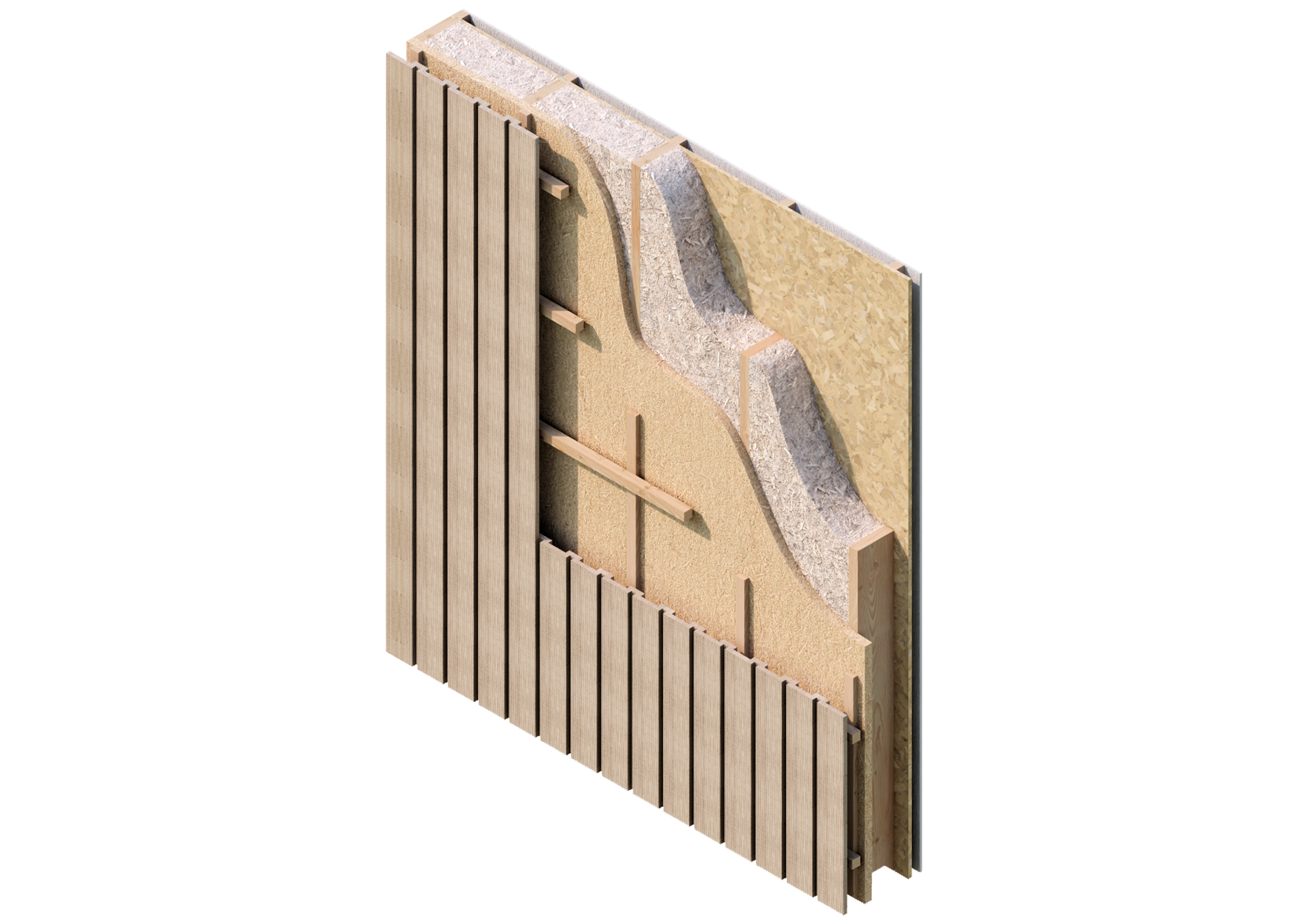
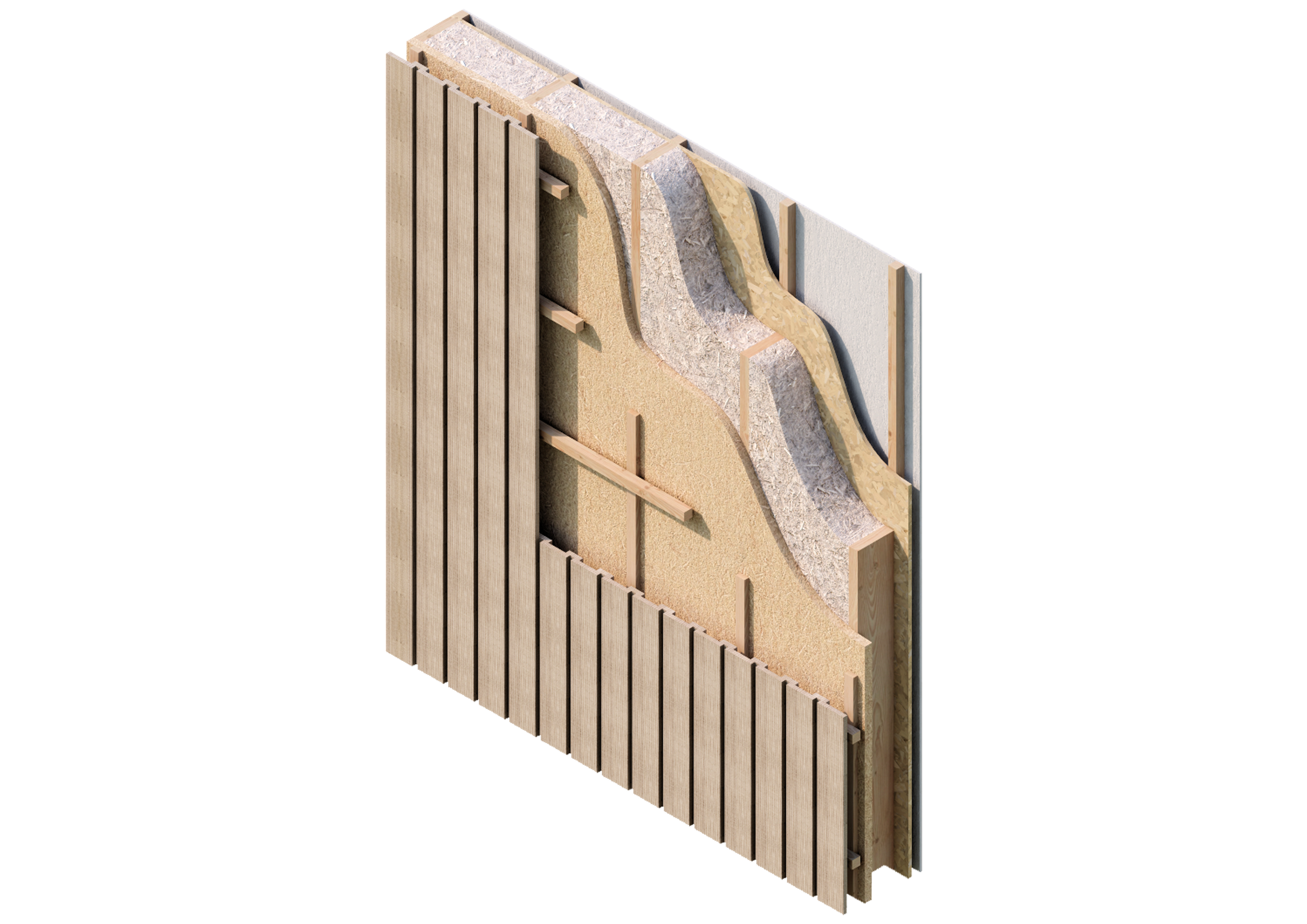
A central feature of our model is the development of a closed load-bearing panel n-SIP system that uses natural materials throughout - untreated Scottish grown timber and cellulose insulation (treated with Borax, which acts as a fire retardant), either re-cycled paper or wood fibre.
This approach remains unique in the commercial building industry.
Panels are manufactured in the workshop with external finishes such as larch cladding, complete with doors and windows. The use of closed panels produces buildings that are airtight, healthy, highly thermal and carbon efficient while regulating moisture dynamically.
Independent blind testing has suggested lower air leakage performance in homes built from n-SIPs using Sterling OSB Zero from West Fraser.
A real-time 4 minute video of a panel being placed and assembled on site.
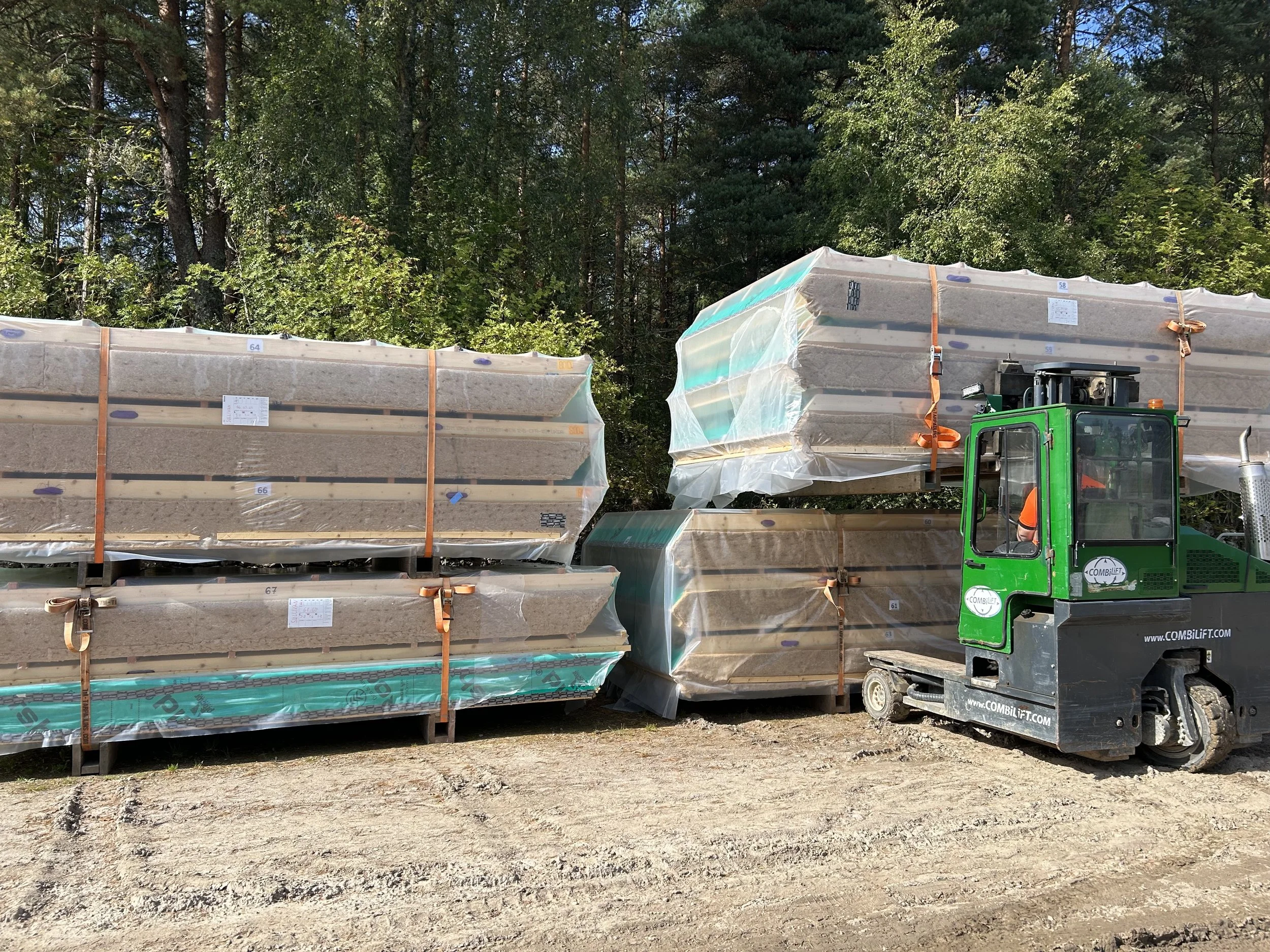
45 second timelapse from MAKAR’s workshop. Watch the full process of off-site manufacturing an n-SIP wall panel.
Healthy “Breathing Walls”
The external n-SIPs are manufactured as “Breathing Walls”, which avoid the use of plastic membranes or petrochemical/synthetic insulation materials.
Breathing Walls use layers of hygroscopic and vapour-permeable natural materials such as cellulose insulation that have an increasing level of vapour resistance towards the interior surface. This helps walls to dry out, which reduces a building’s risk of developing mould whilst improving the indoor air quality and improving the performance and longevity of the building. In doing so, the use of petrochemical-based materials that are known to give off gas toxins into the air is avoided. Incorporating a breathable building fabric and openable windows into a design is a very simple and effective way of designing a healthy building.
Using Scottish-grown timber
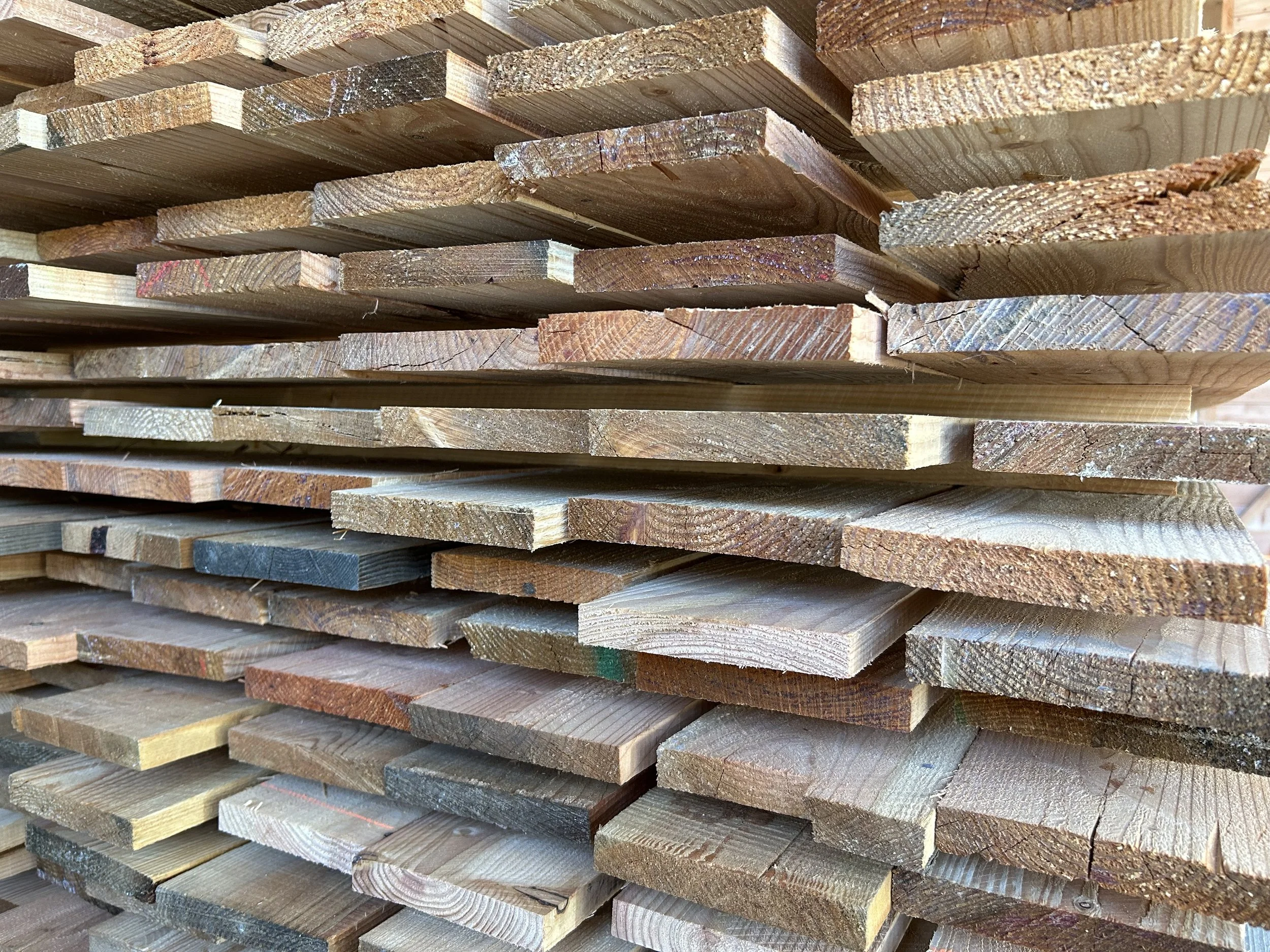
Our design approach has been tailored to the available Scottish timber resource, and, in the process, we have successfully developed a Scottish supply chain for our timber supplies, which all come from timber processors based in the North of Scotland. This gives us a secure source of timber with negligible associated carbon miles compared with imported timber.
Our innovative designs for timber-based buildings, over steel and non-natural alternatives, also results in significantly lower embodied carbon within our buildings and houses than other comparable UK studies undertaken. Rather than being a source of carbon, our timber intensive buildings form part of the global sink.
The key species utilised are Sitka spruce (in natural Structural Insulated Panels (n-SIPs), European larch (for external cladding) Douglas fir (for post and beam frames and other large components).
Much of the timber we use in our homes and buildings is milled by Logie Timber, just 30 miles away, further reducing travel and carbon miles.
Paperless precision manufacturing and lean production
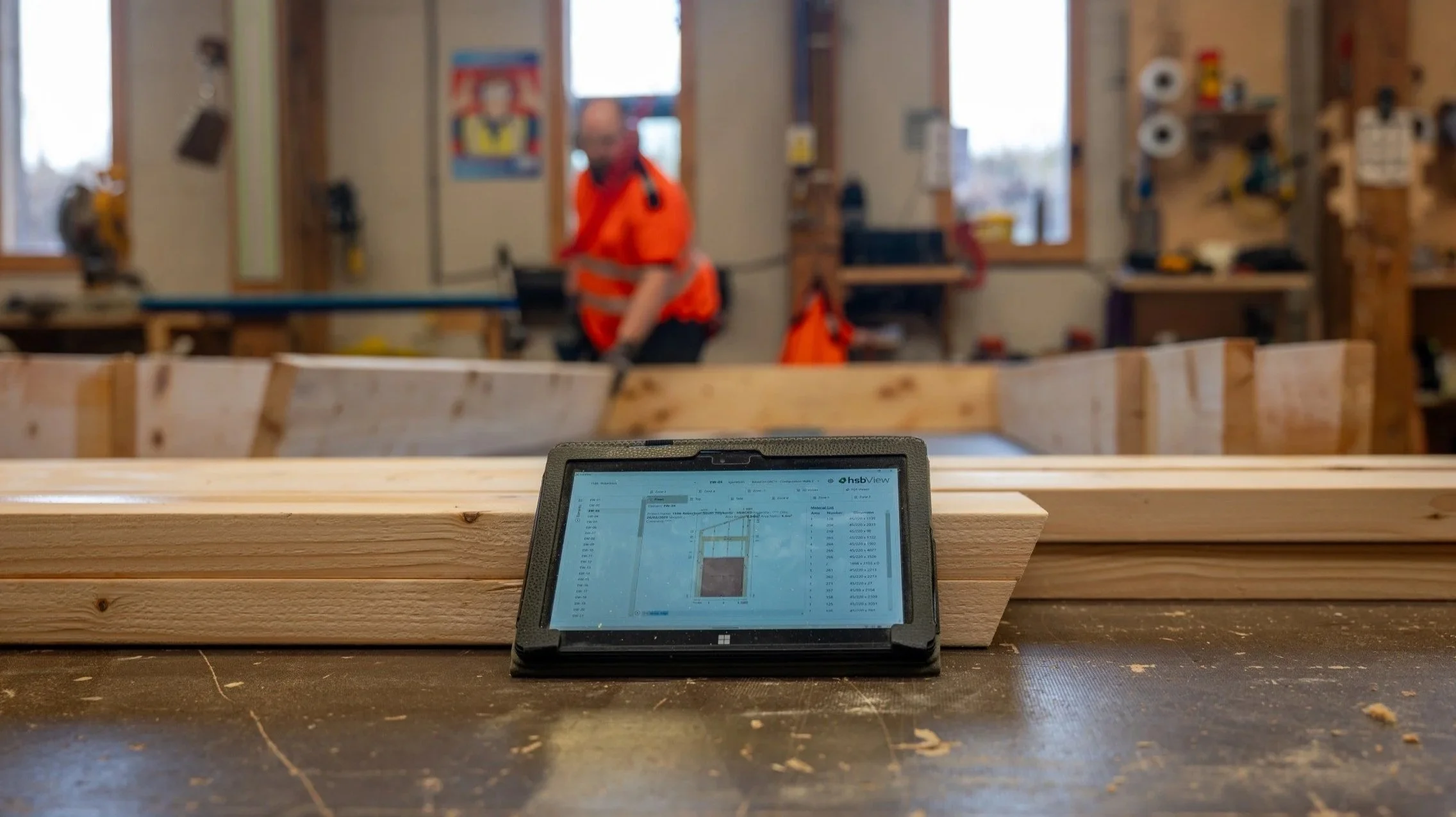
MAKAR uses paperless hsbcad software that feeds 3D production drawings directly to semi-automated saws, ensuring precision cutting with minimal waste, linking in with just-in-time production principles with Kanban methodology. There are live updates to digital drawings, and full traceability throughout production. The system is designed for predictable workflows, meaning far less time, complexity and risk on site, while eliminating waste and excess inventory. Through all of this, MAKAR reduces time for delivering externally completed homes to just weeks.
We have embraced digital innovation and are now completely paperless at our workshop, enhancing every aspect of our operations.
“The week when the construction happened was just so exciting! There is this tremendous anticipation and build-up for yourselves and the people around you, and it was just so exciting to see the crane lift the sections in and the construction team, the way they communicated with each other. The whole thing was just magical to observe. Suddenly, this beautiful thing has landed. It was a very exhilarating process.”
Jane, MAKAR Homeowner
“I was struck by the supple movements and the quiet way in which everybody moved. It was a bit like watching a ballet being choreographed.”
Menno, MAKAR Homeowner
Rapid assembly
Traditional new build construction times in the UK are around 7 – 10 months. Using Modern Methods of Construction our off-site precision-manufacturing approach enables MAKAR to build panels off-site to a very high quality, for rapid deployment across the Scotland, the UK, including the Highlands and Islands, and Ireland, while ensuring safer and more predictable working conditions, considerably less waste, and lower build costs.
MAKAR homes can then be assembled in weeks not months, greatly reducing disruption to the local area.

Case Study | A3 Courtyard Example Home Affordable Prototype Home
This home, built in Cromarty's conservation area, within a walled courtyard and surrounded by many other houses, suited MAKAR’s naturally fast assembly process.
The transport logistics and the need to close the road by the home at certain key points of the build presented some challenges, including the need to time deliveries carefully. However, MAKAR's fast assembly times meant minimal disruption compared to a traditional build.
MAKAR were on site for 8 weeks in total, including 3 weeks for the assembly and external completion to wind and watertight, and just 2 days with the crane.
Case Study | Affordable Prototype Home
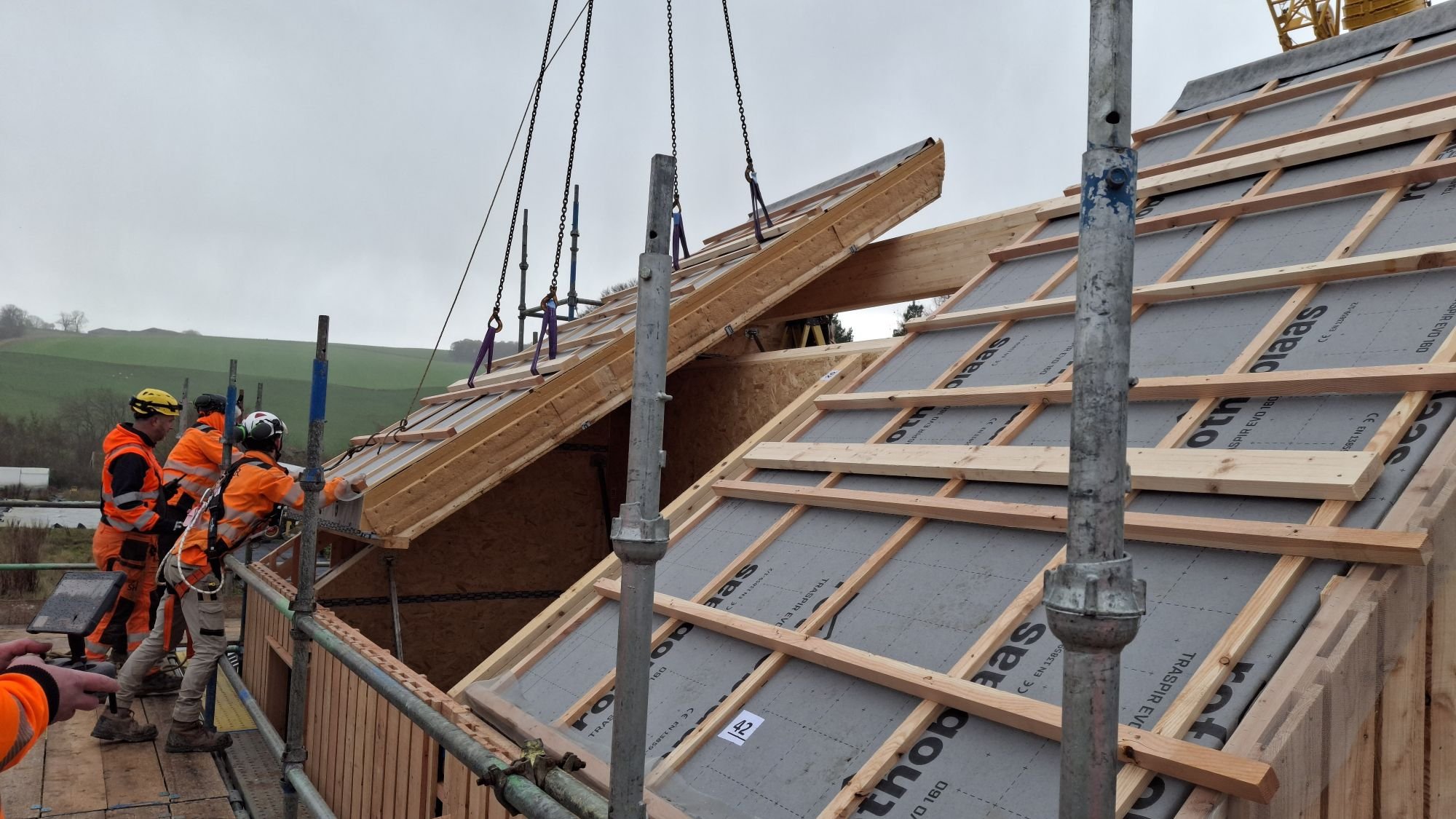
Just two hours after Stoddart’s crane lifted the first panel of this home into place, all the precision-manufactured wall panels were slotted seamlessly together. By the next afternoon, the attic and roof panels were in position, the crane had left the site, and the external structure was being completed while the internal walls and floors were being structurally screwed off.
In just 7 days, the team had fully assembled the home to pre-fit out stage (Wind and Watertight), including roof coverings, windows and doors installed and solar PVs on the roof.
Embedding Circular Economy Principles
Our products exemplify the Circular Economy, especially the ability to disassemble buildings and reuse components.
Our n-SIP system is deliberately designed for end of life material reuse and recycling. This is achieved by the panels being manufactured solely from natural materials and through the method using to join panels together. The panels are not nailed together; they are linked together using long, high tech screws that will facilitate the controlled deconstruction of buildings.
The system also enables straightforward adaptation to buildings, such as extensions and changes to internal layout, over their life. For example, there is provision built into the design to replace the stairs with a home lift for future accessibility needs.
Frequently Asked Questions
-
In general, the first five Design stages can take approximately 6-9 months, including the development of your design and going through the Planning and Building Warrant consents. You will find the step by step process in our brochure.
A MAKAR house typically goes through production in 8-16 weeks. On-site assembly of the prefabricated panels is typically undertaken in 5-10 days, and our teams will then stay on site for a further 6 weeks to ensure that the external shell is 100% wind and watertight. Internal fit-out time depends on your location and availability of local contractors, but this typically take 15-20 weeks after the shell is complete.
This compares favourably to traditional UK construction, which takes around 41–49 weeks for the build phase alone (Source: https://www.mdpi.com/2075-5309/12/8/1177)
-
SIPs (Structural Insulated Panels) are structural panels made from an insulating core bonded between two structural boards (usually oriented strand board (OSB)), providing excellent thermal performance and structural strength. MAKAR’s n-SIPs go further by using only natural, untreated materials — cellulose insulation and Scottish-grown timber — without the synthetic foam core used in conventional SIPs.
Our Scottish-grown timber, integrated with ventilation, microrenewable equipment and eschewing plastic components, offers a truly healthy, sustainable way of building.
Furhter, a blind test has now shown that the West Fraser SterlingOSB zero boards, which form part of these n‑SIPs, show a variance of 20% when compared to one of its European competitors. Read our full blog.
-
MAKAR can supply and erect its eco kit homes for self-build projects across the UK. Our off-site construction process and rapid assembly to Wind and Watertight helps to keep costs low wherever we build, though some additional charges for greater distances do apply. Please get in touch for more information.
-
MAKAR helps customes through the entire homebuilding process from design, planning, warrents and consents through to Wind and Watertight stage. This stage means that we will assemble the external shell of your home, then hand over to you to decide on how you would like to internally fit-out your home.
We find this gives customers the maximum flexibility of internal fit-out, style and supplier.
-
MAKAR's off-site construction method means n-SIPs are delivered to site already clad and ready for assembly, making them an increasingly popular choice for remote locations and difficult plots, including many of Scotland’s Islands and Highland areas. MAKAR. For example, see our Cromarty Courtyard Signature Home case study on our Process Page or in our portfolio. This home build illustrates how the fast assembly process minimised disruption even within a conservation area with road closure constraints.
Don’t just take it from us… read our reviews!
-
![A couple stand outside their MAKAR home, in front of a large window and larch cladding]()
Jane, MAKAR Homeownwers
“The week when the construction happened was just so exciting! There is this tremendous anticipation and build-up for yourselves and the people around you, and it was just so exciting to see the crane lift the sections in and the construction team, the way they communicated with each other. The whole thing was just magical to observe. Suddenly, this beautiful thing has landed. It was a very exhilarating process.”
-
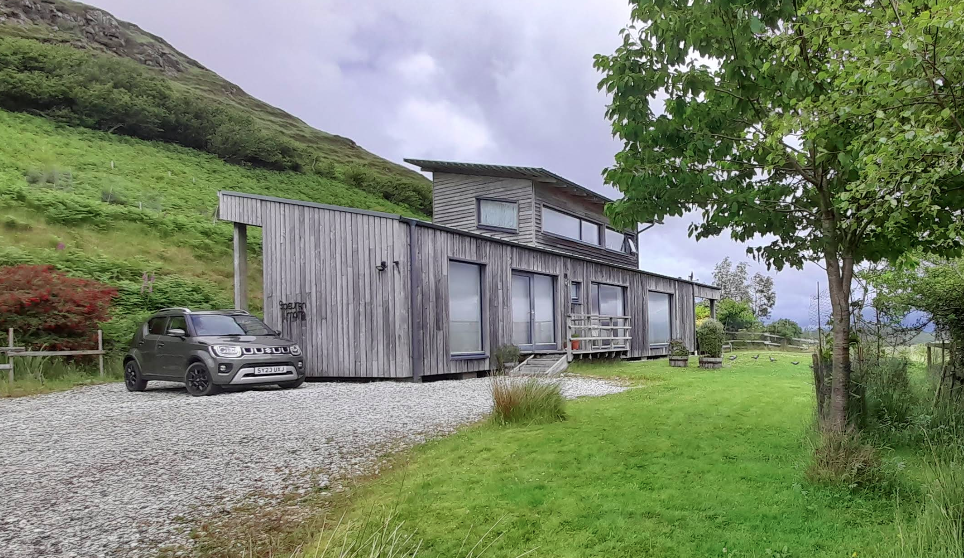
![Modern MAKAR timber home with large windows, a small parking area with a SUV, surrounded by lush green grass and trees, with a hillside in the background.]()
Keith Butler, MAKAR Homeowner
Over this time we have developed a deep love for this house which fits us like a glove. It is the most beautiful home we have ever had and it has stood strong against every kind of weather that has been thrown at it.
Its friendly fit, warmth, beautiful massive windows and more have locked us into a love affair. It breaks our hearts to leave this house.”
-
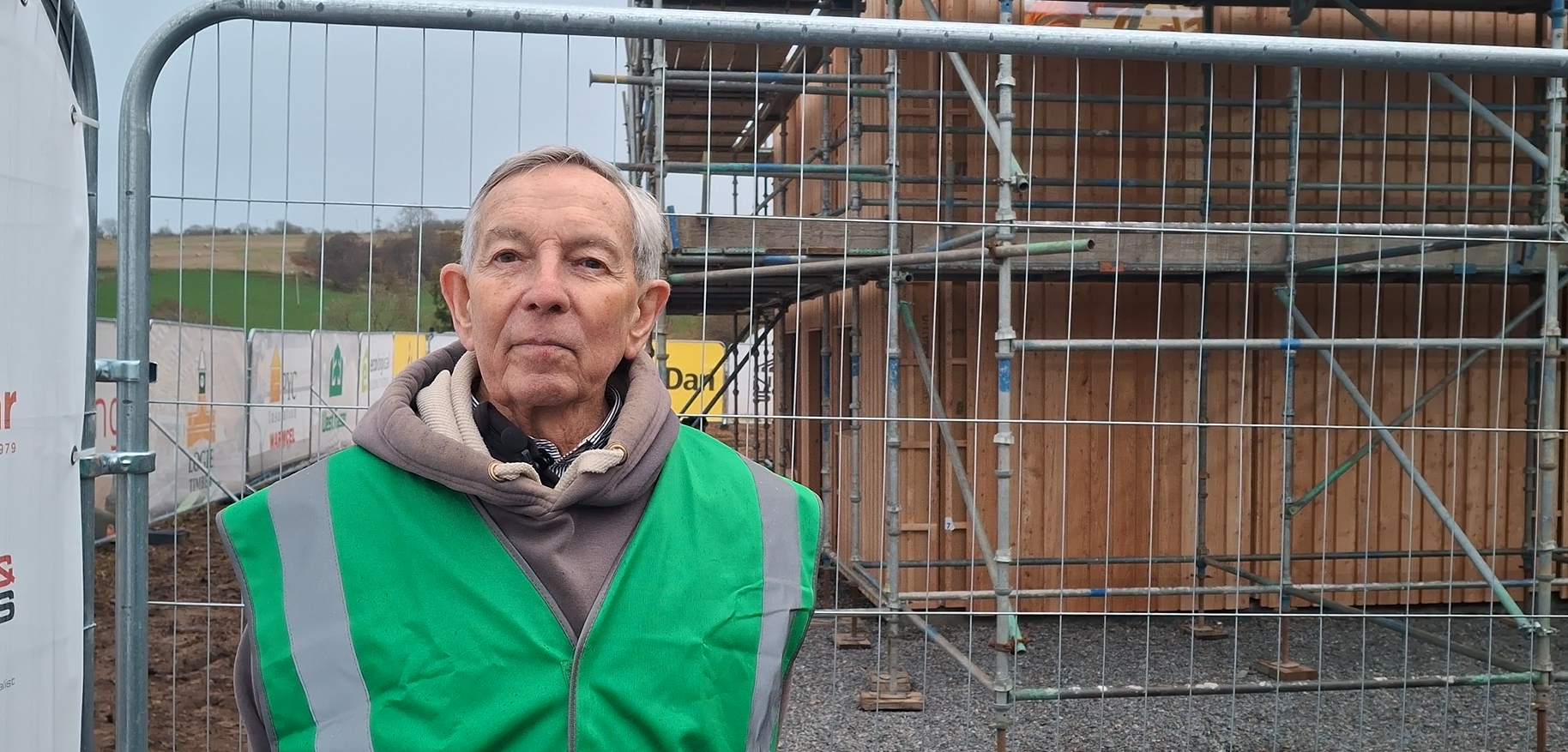
![]()
Willy Roe, MAKAR Homeowner
"We built a MAKAR home 5 years ago and it has changed our life. It is so beautiful in terms of its design and what it feels like to live in. It is a real joy to live in. It’s peaceful because it is so well built, bright, and it is so easy to run. Everything works like clockwork and operates silently. We wouldn’t choose to live in any other kind of house."
-
![An MSP visits MAKAR's prototype home, after assembly.]()
Emma Roddick MSP
"It is a huge opportunity. I’ve seen inside the workshop and the feedback from people living in these homes. It’s incredible. If we are going to solve the housing crisis, we are going to need local solutions [...] here we are with a building that stores carbon and hasn’t needed much transport to get the timber here at all. That is just amazing."
-
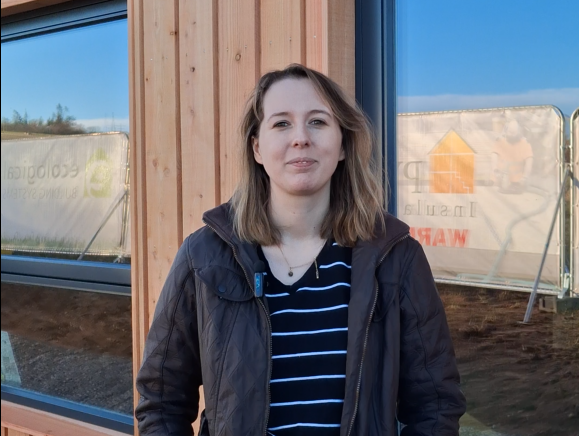
![]()
Menno, MAKAR Homeowner
“We are in a conservation area, within listed buildings. Consent was required because of the nature of the site […] Immediately when we engaged with MAKAR they understood that, they understood the sheer weight of history that this particular site carried. We felt they were going to engage and really kind of back us through planning, which absolutely happened. MAKAR’s expertise in that was absolutely crucial in us getting the planning.
-
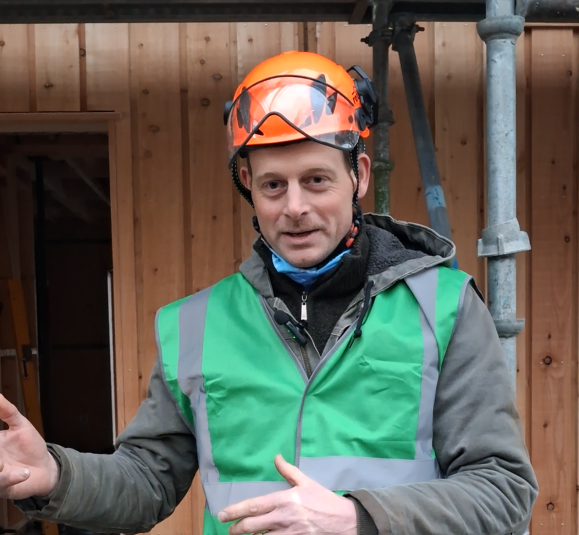
![A visitor to MAKAR's prototype home during rapid assembly talks to the camera about his experience, wearing an orange safety helmet and green vest, standing in front of the home.]()
Alex Laing, Logie Estate and Founder of Logie Timber
"I’ve known for a while how they build their houses. I had no idea that you could be up to roof height in 7 or 8 hours. It’s incredible. It’s immaculate here, there’s no waste. It’s not a typical building site by any means. Everything is really tidy and well organised, and that’s got to affect the end product"