Housing Developments
We work closely with rural estates, local authorities, and developers to design and deliver high-quality, sustainable housing schemes and building complexes that benefit local communities, fitting seamlessly into rural and urban landscapes.
As principal contractors, we combine design integrity, energy efficiency, and environmental responsibility, using locally sourced, precision-manufactured timber systems. Our off-site construction approach reduces time, waste and cost in our manufacture and assembly process.
Affordable and Social Housing Delivery
MAKAR works with organisations to deliver sustainable housing projects from early-stage design and planning through to manufacture and construction. Our integrated approach provides a clear route from concept to delivery, whether for an individual development or a wider programme of affordable and social housing.
Our timber-based construction system can be adapted across individual, semi-detached and terraced homes,providing scalable solutions to housing delivery while maintaining high standards of energy performance, design quality and long-term affordability.
Recent Developments
Micro-Ecovilage at Ratagan and Saraig
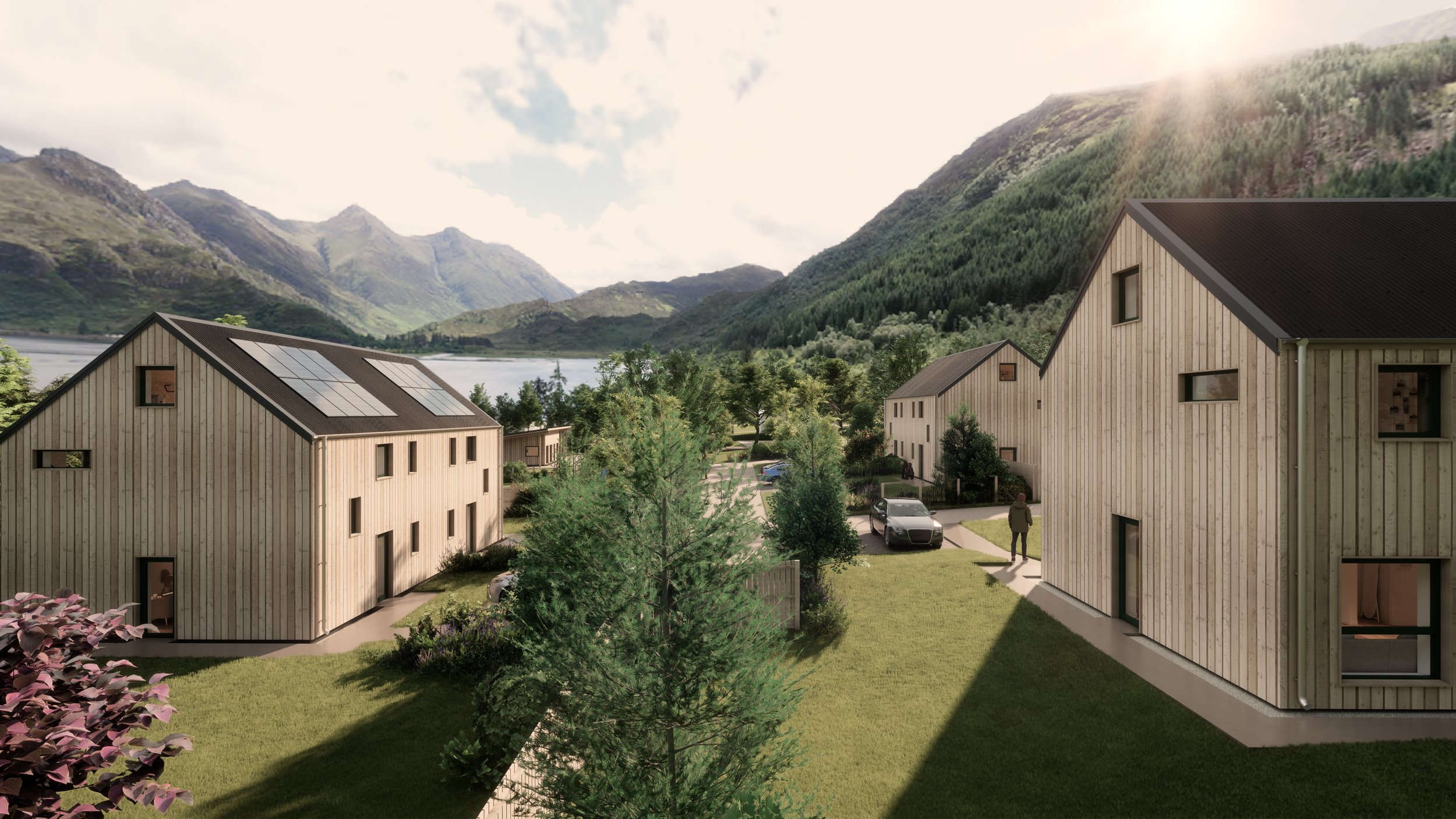
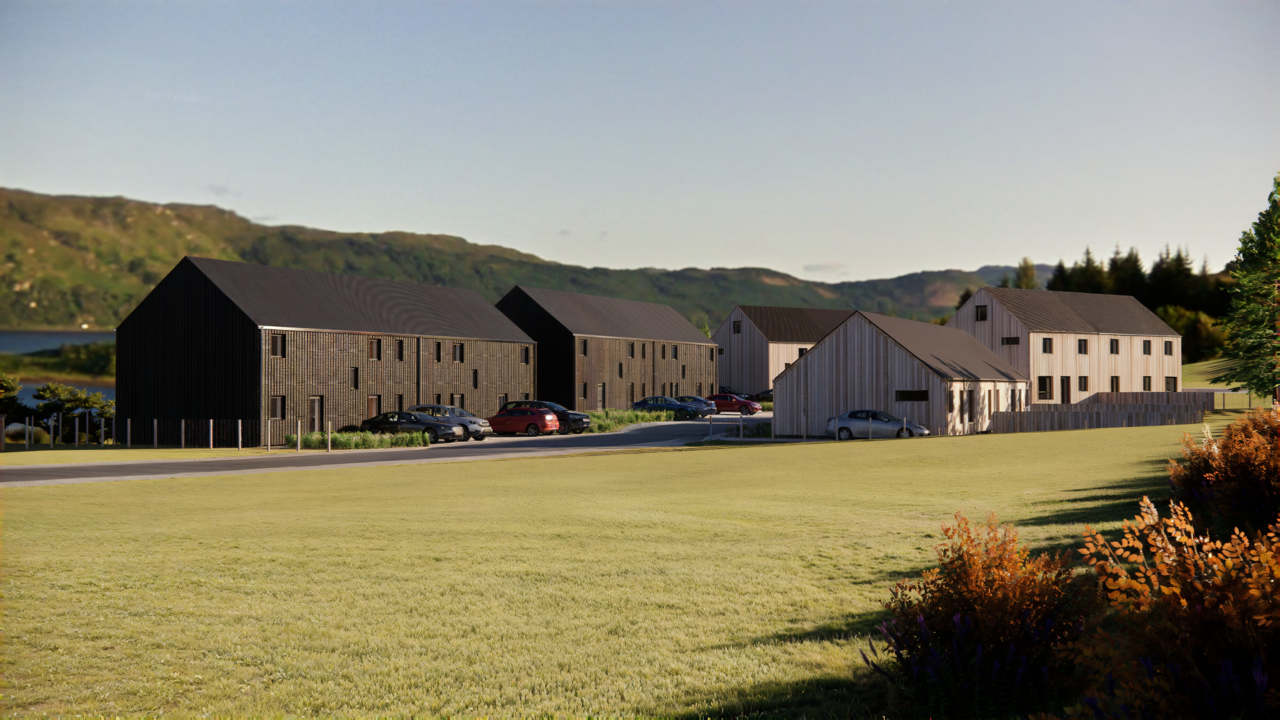
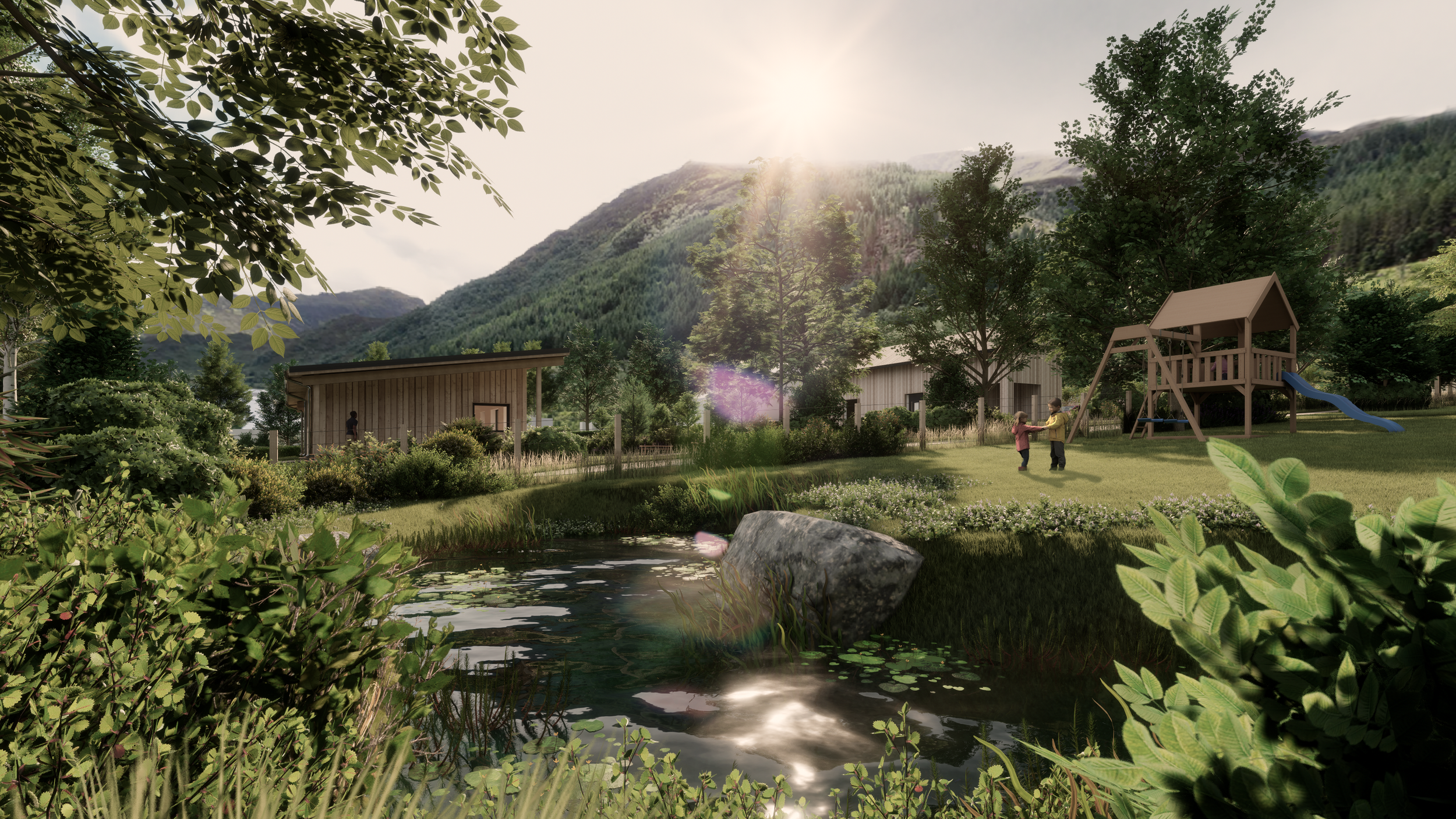
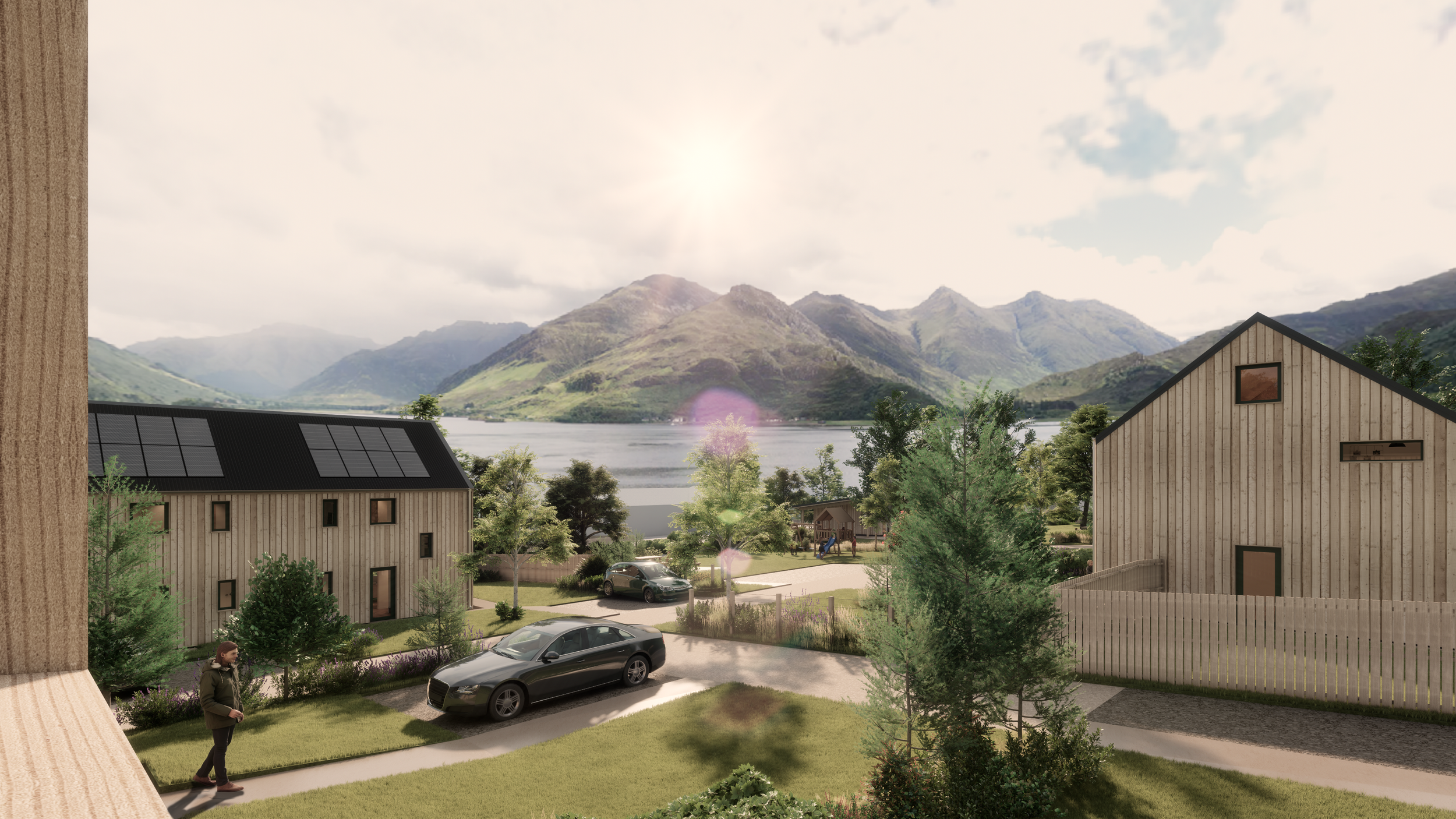
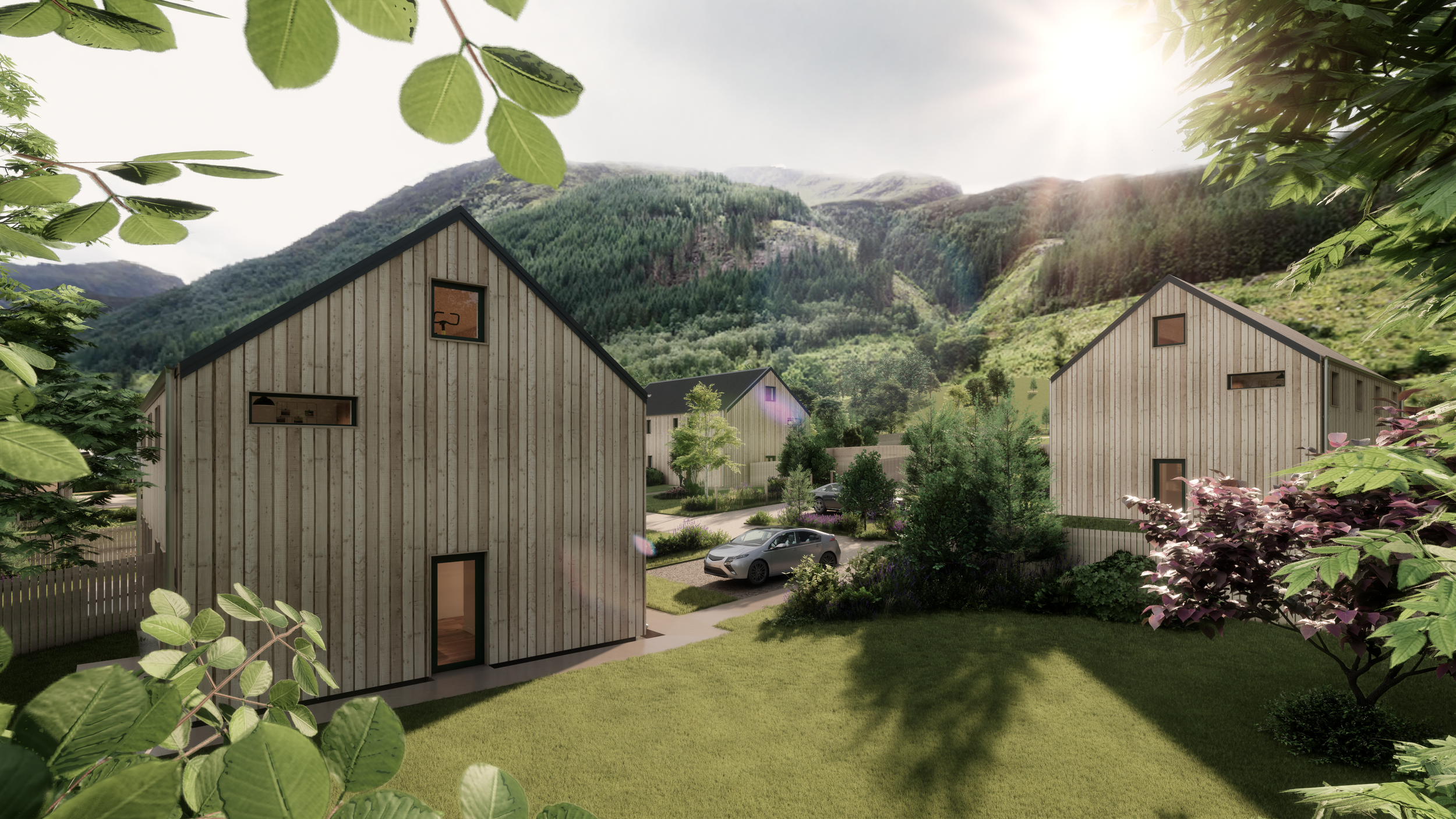
We are delighted to have been selected by the Kyle and Lochalsh Community Trust to take forward the design work for the proposed Micro-Ecovillage at Ratagan and Saraig, developing a series of conceptual designs and visualisations that set out our vision for the project and demonstrate our approach to creating a thriving, sustainable new community.
Affordable Homes Case Study: Lismore Community Trust
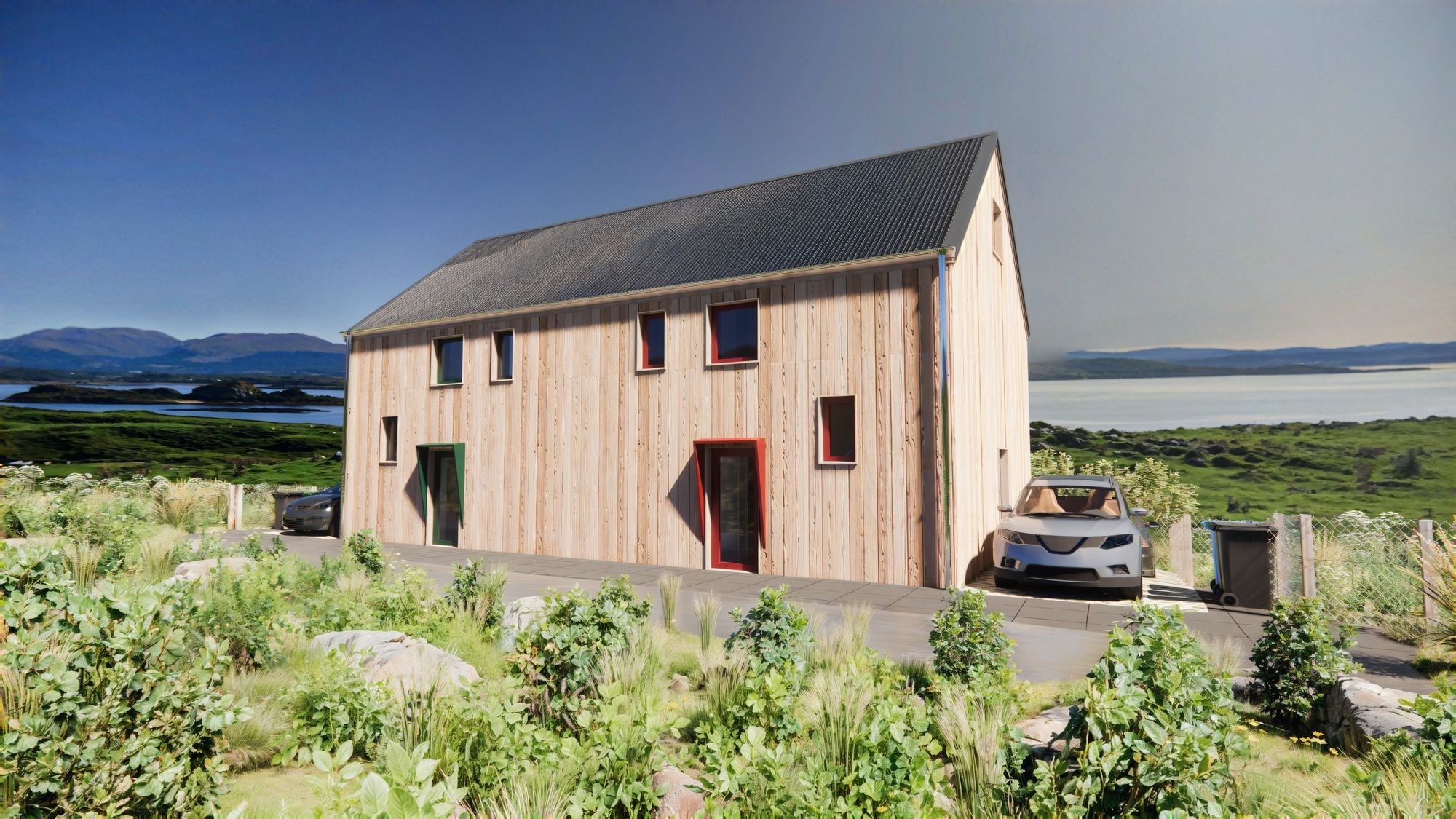
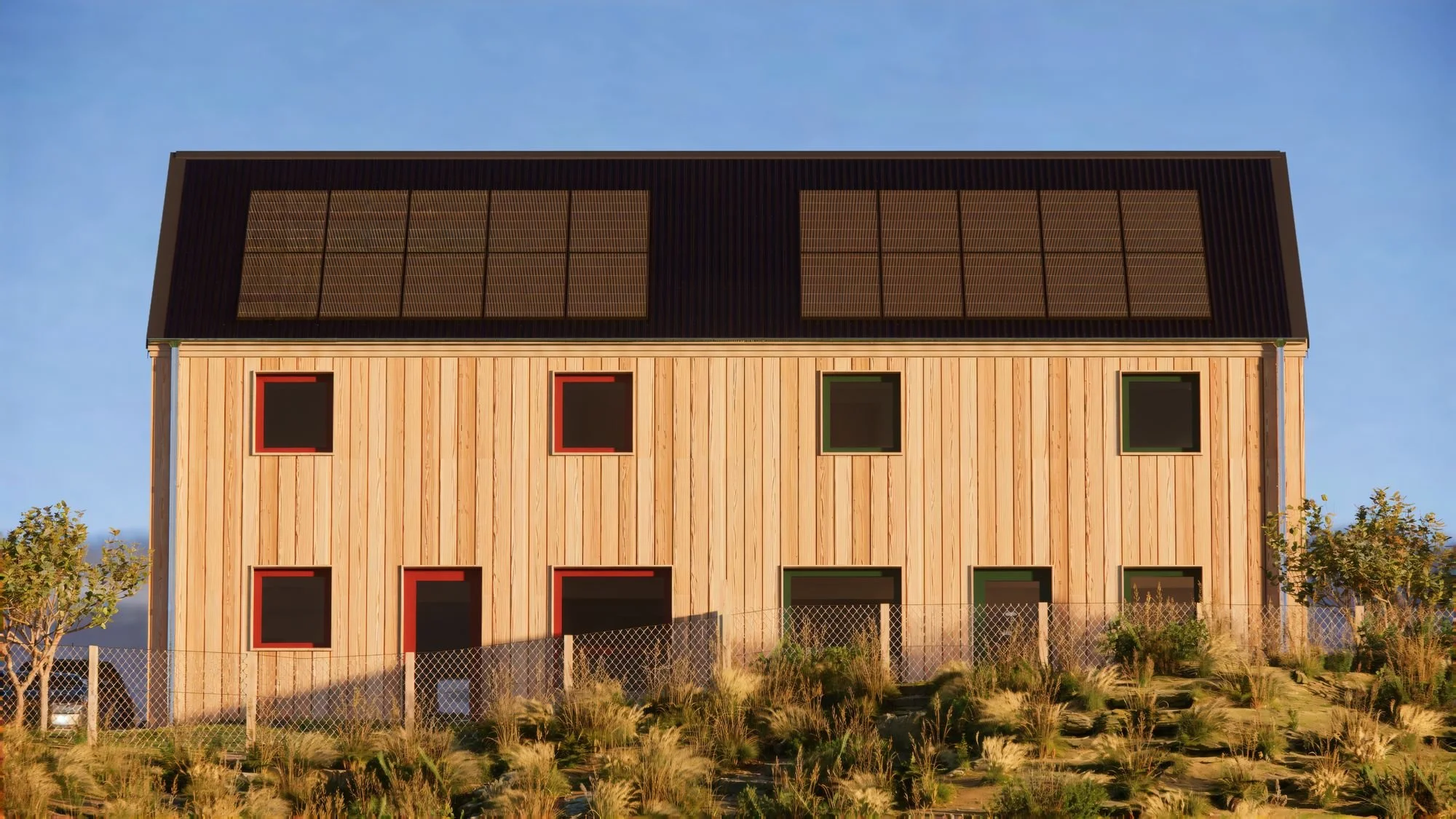
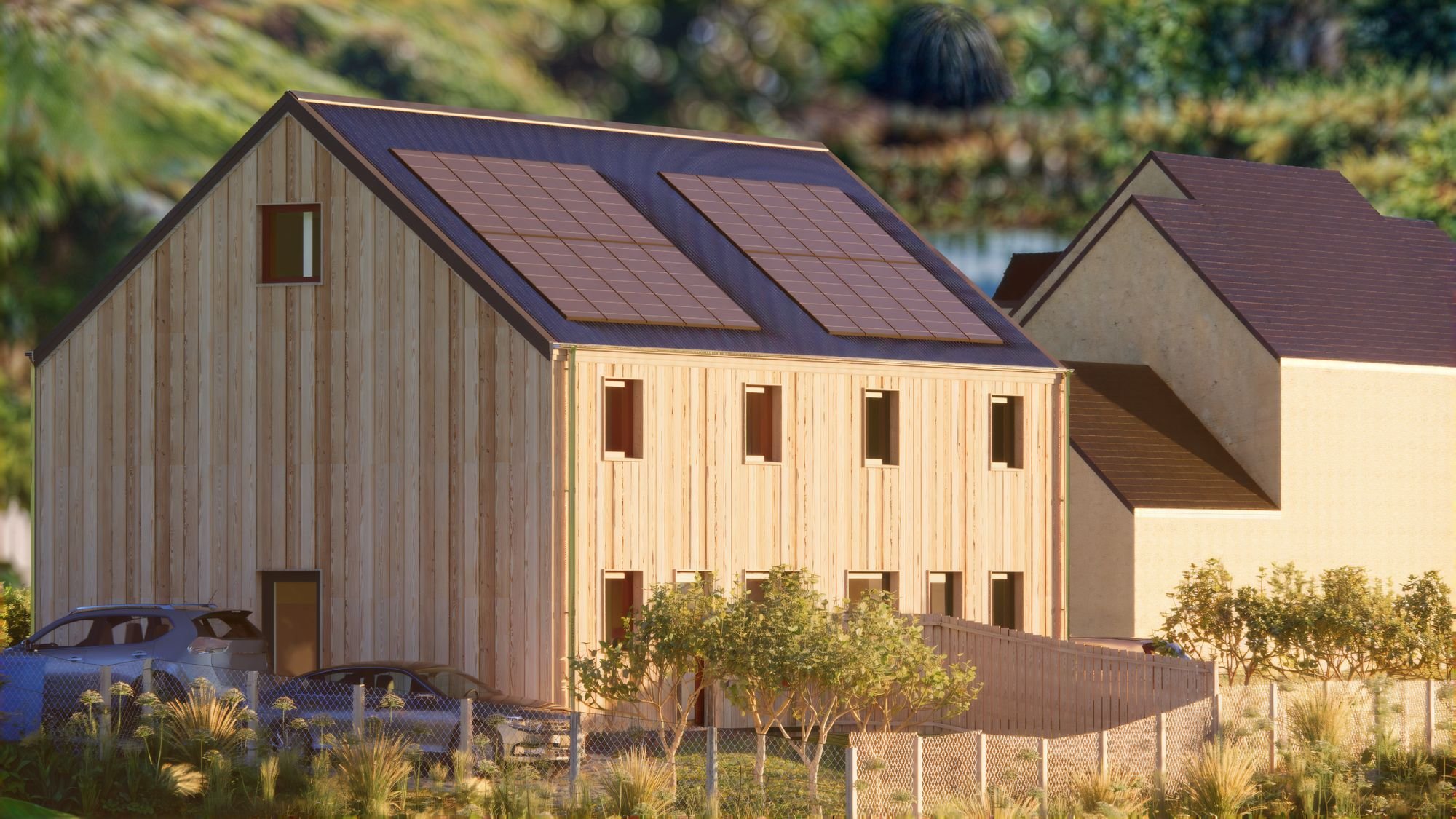
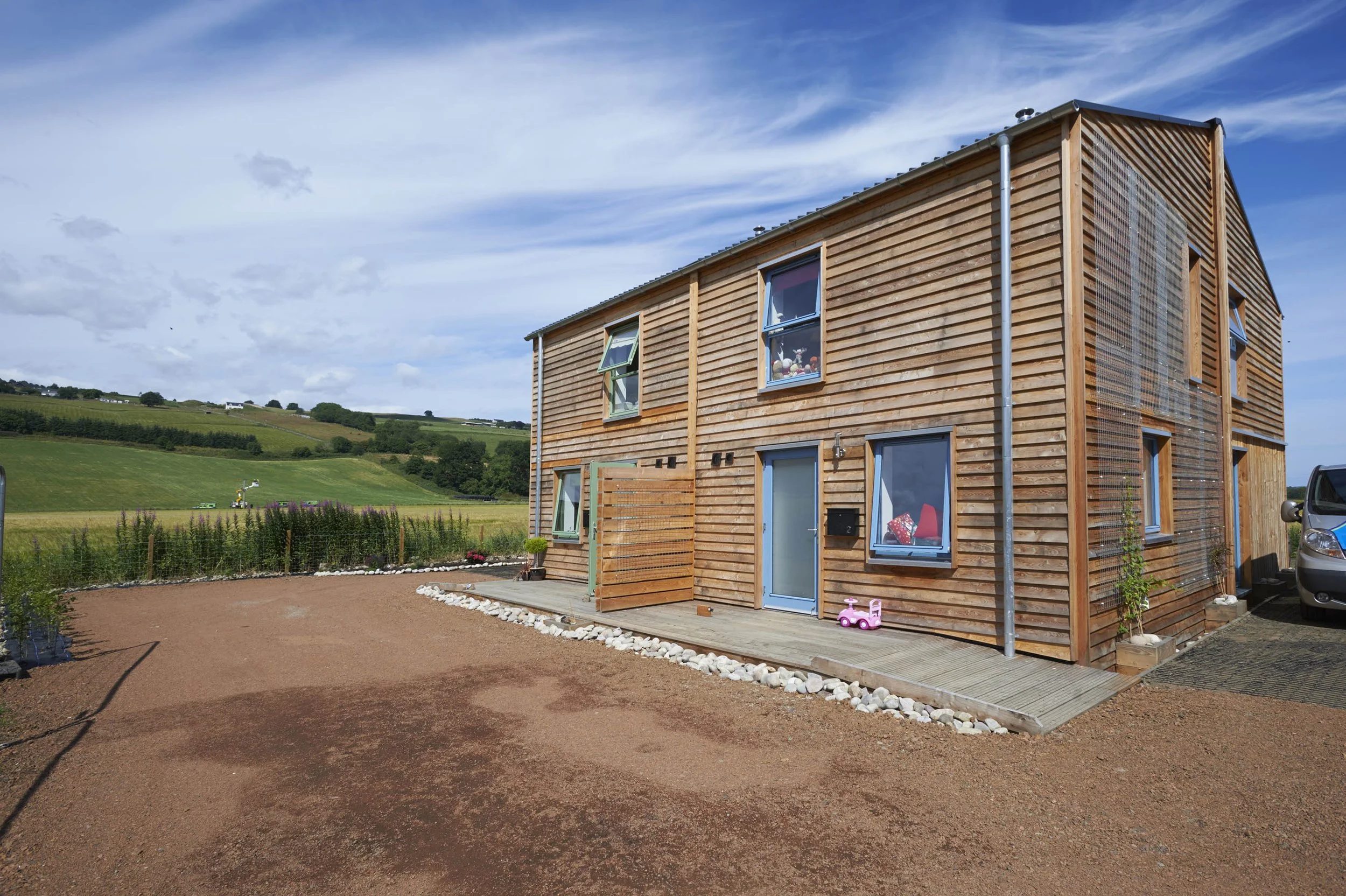
Two affordable, futureproof Paradigm Homes commissioned for the Isle of Lismore, in Argyll and Bute.
These four-person semi-detached homes are manufactured offsite to the highest standards, designed to make optimum use of space and light, and have low heating costs, from £5 per week, all while meeting affordable standards.
Positive community consultations led to strong support for these homes as local assets.
These homes received planning permission in just 30 working days.
An example of futureproof housing that supports the long-term sustainability of the island community.
A scalable model for homes that can be configured as individual, semi-detached or terraced homes.
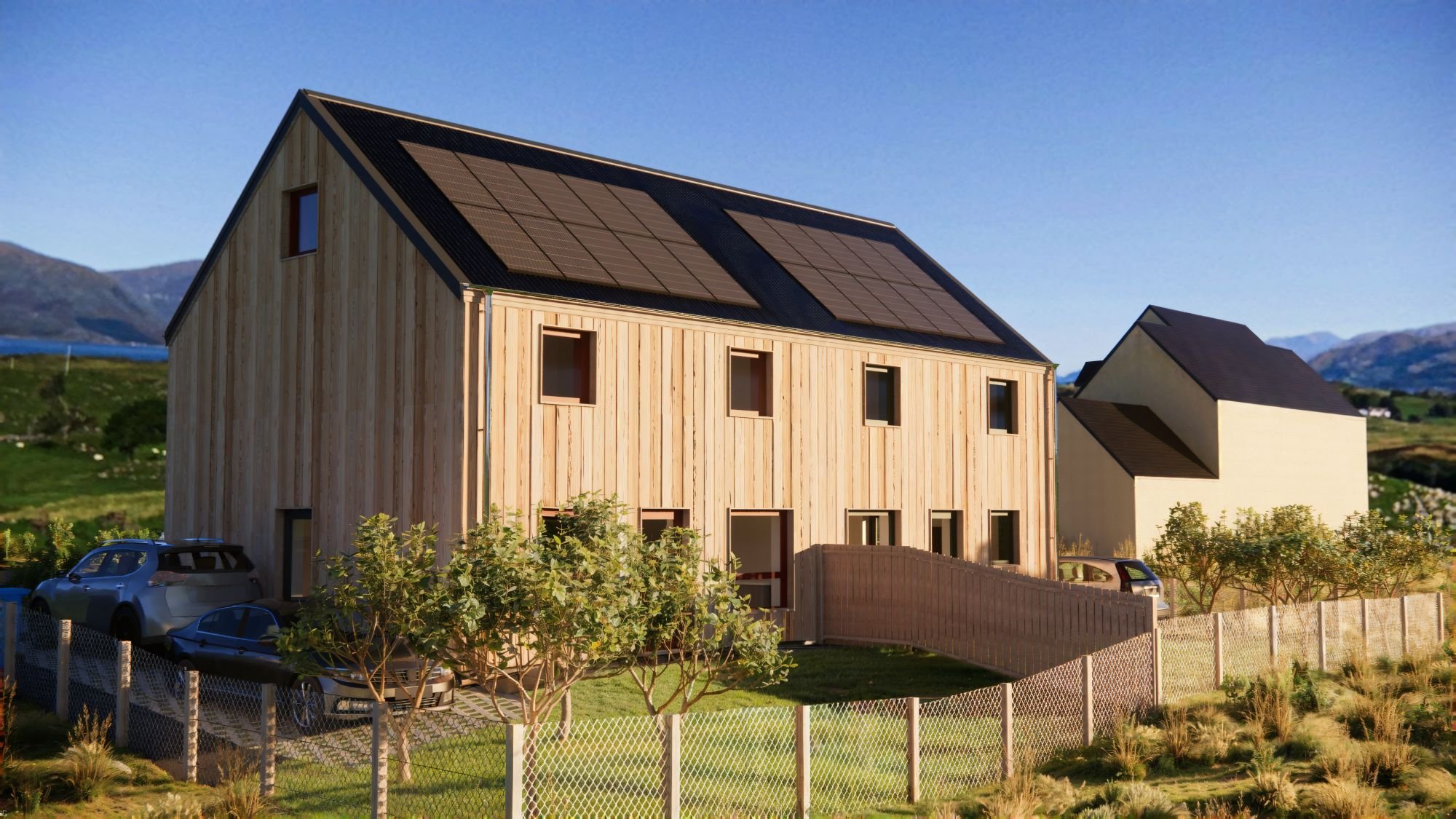
“The Lismore Community Trust included MAKAR as a high-quality option in the tender for its affordable homes and was delighted to find that their new modular housing terrace offered the highest value for money as well as cost security. Especially in remote rural areas, keeping to time frames and budget is the biggest challenge for community projects. The off-site manufacturing process ensures that these buildings perform as designed and offer truly comfortable and functional homes. It was fantastic to hear from Neil Edgar about the thought processes behind the design and layout, all of which optimise form factor, materials and space, making these practical and desirable family homes for island living.
The whole industry is talking about doing affordable housing at scale, speed and quality – MAKAR are on site and building them as we still discuss the challenges. They show that standardisation is not only key for the use of full timber frame buildings and local supply chains, but the way forward to tackle the housing crisis while ensuring both the occupants' health as well as that of our natural environment in Scotland.”
Julia Behrendt, Project Assistant for the Lismore Community Trust
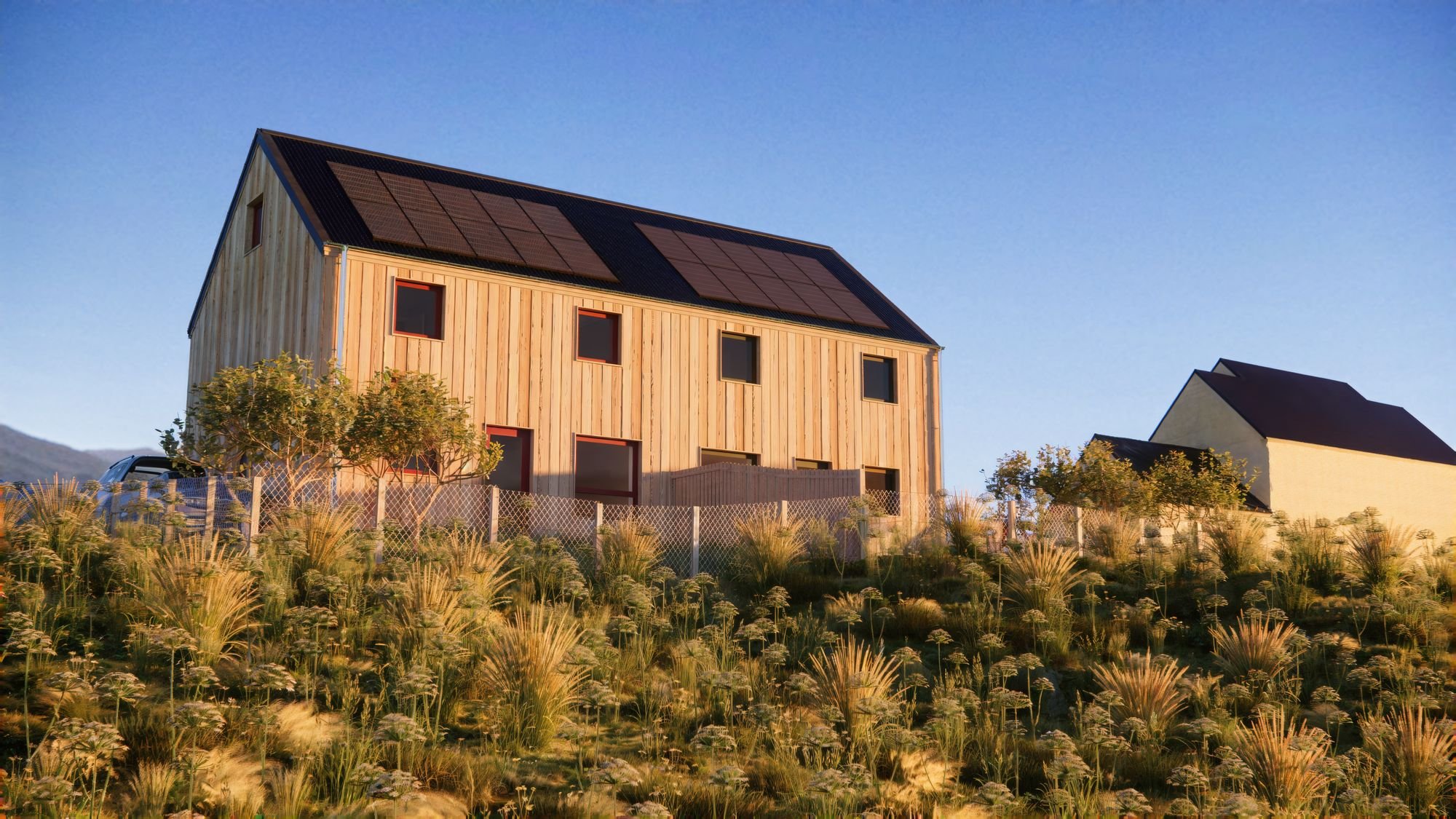
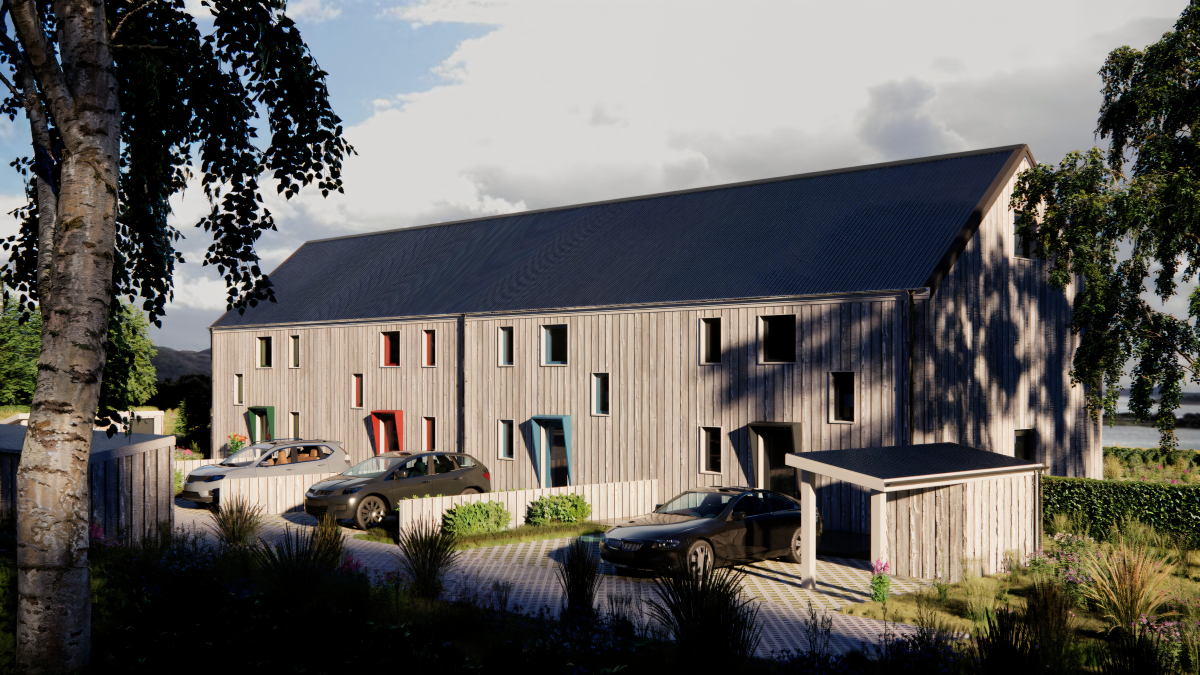
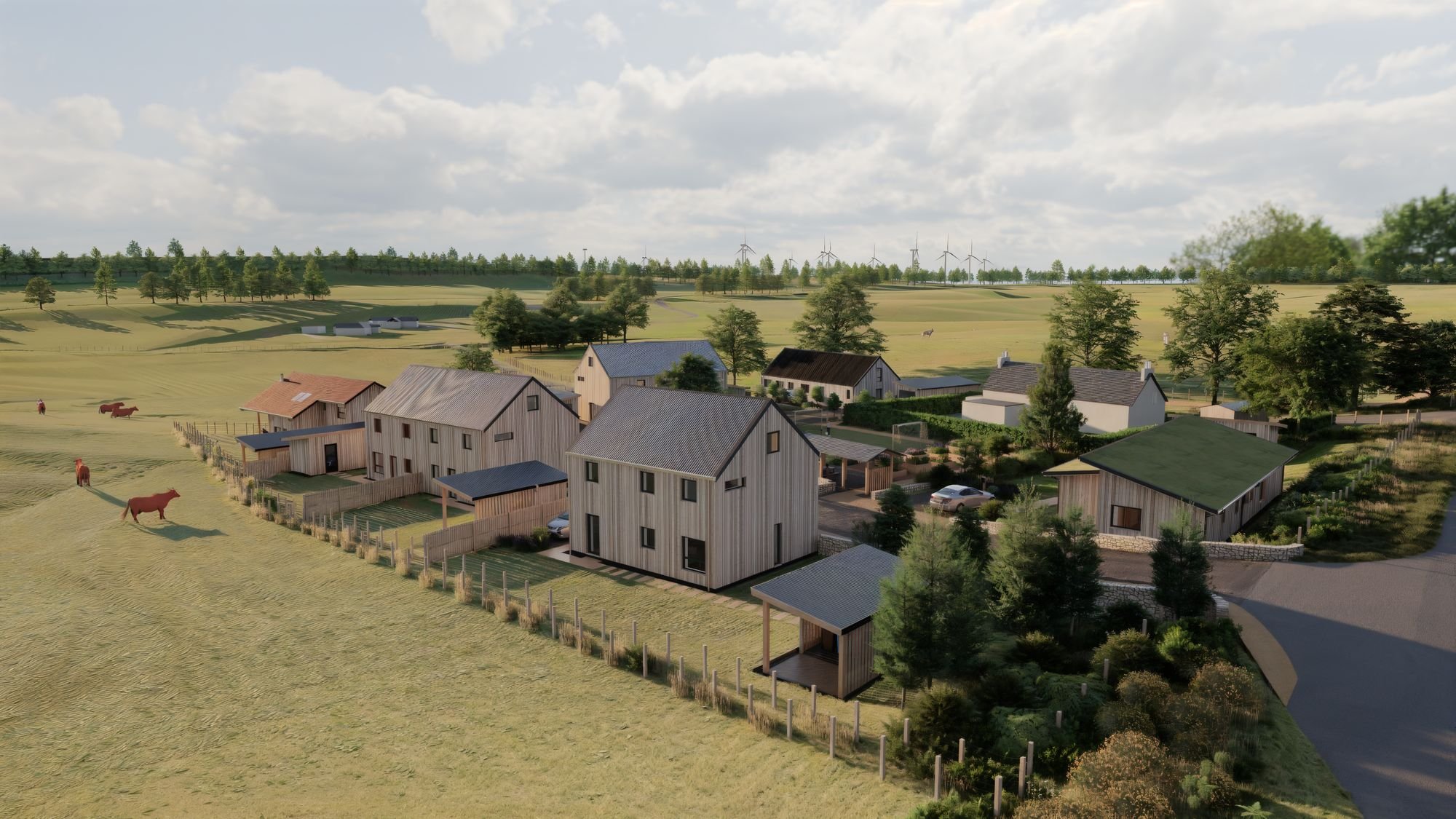
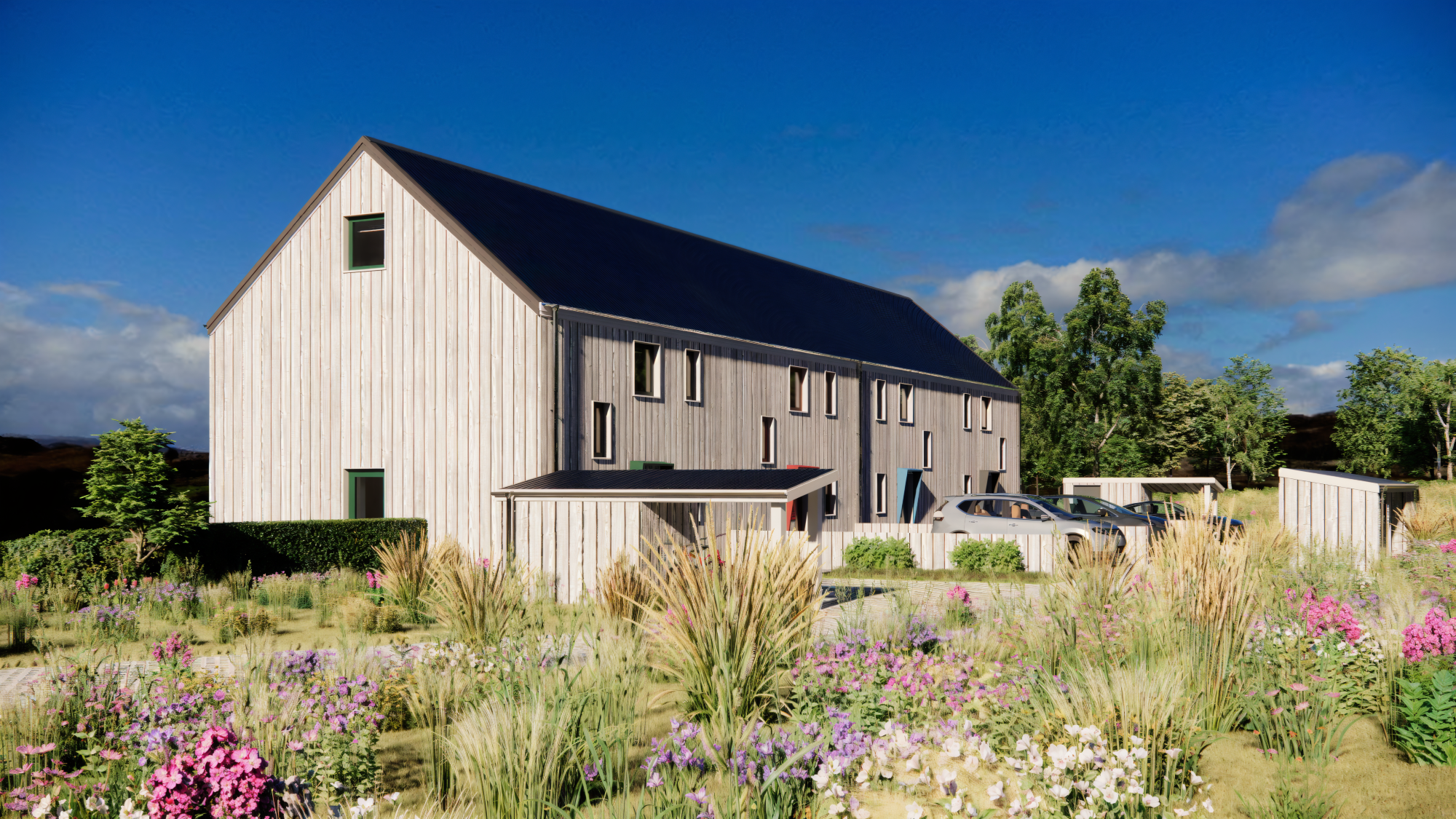
Rural Estate Case Study: A community-focused mixed development of eight Highland homes on a former steading
A vision for a sustainable, high-quality rural housing scheme that makes positive use of a former steading site and benefits the local community. MAKAR’s approach combines design integrity, energy efficiency, and environmental responsibility, using locally sourced, factory-manufactured timber systems - with an emphasis on the local community.
A carefully designed development of eight homes, offering a mix of five affordable Optima Homes and three market Signature homes for rent and sale. The current mix provides a balanced starting point to be refined through community engagement, demand, and budget considerations.
Each home is designed for comfort, space, and connection to nature. With expansive views to the north-east and south, the eight homes are positioned to enjoy excellent outlooks while sharing access to a communal green. Each plot includes a private garden, shared allotment access, and outbuildings to support practical rural living.
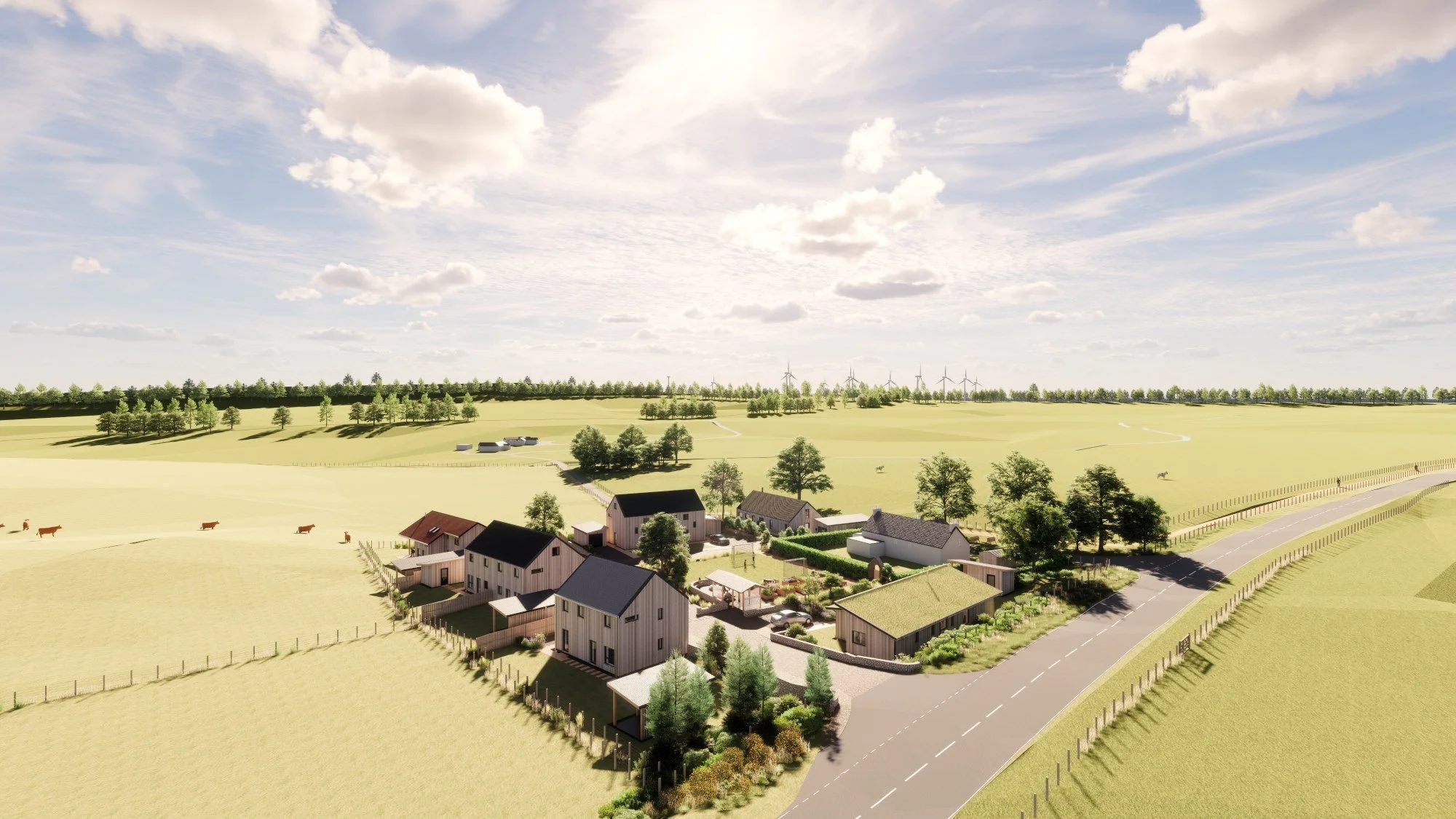
MAKAR take a landscape approach that combines natural infrastructure with sustainable drainage, enhancing biodiversity and resilience
Reuse stone and materials from the existing steading within the landscape to retain site character and history.
Maximise sunlight, outlook, and privacy through thoughtful orientation.
Maintain privacy between dwellings and ensure the current farmhouse remains private while feeling part of the new development, with access to the shared green and allotment.
Provide new independent road access with visibility splays of 215 meters in both directions.
Include pedestrian and cycle routes linking safely to nearby primary school and amenities, with a fenced path proposed through the adjacent field.
Integrate discreet recycling and bin storage areas within the landscape.
Use locally sourced materials, including from the estate’s commercial forestry plantations, consistent with MAKAR’s sustainable manufacturing process and short supply chain ethos.
Design Approach
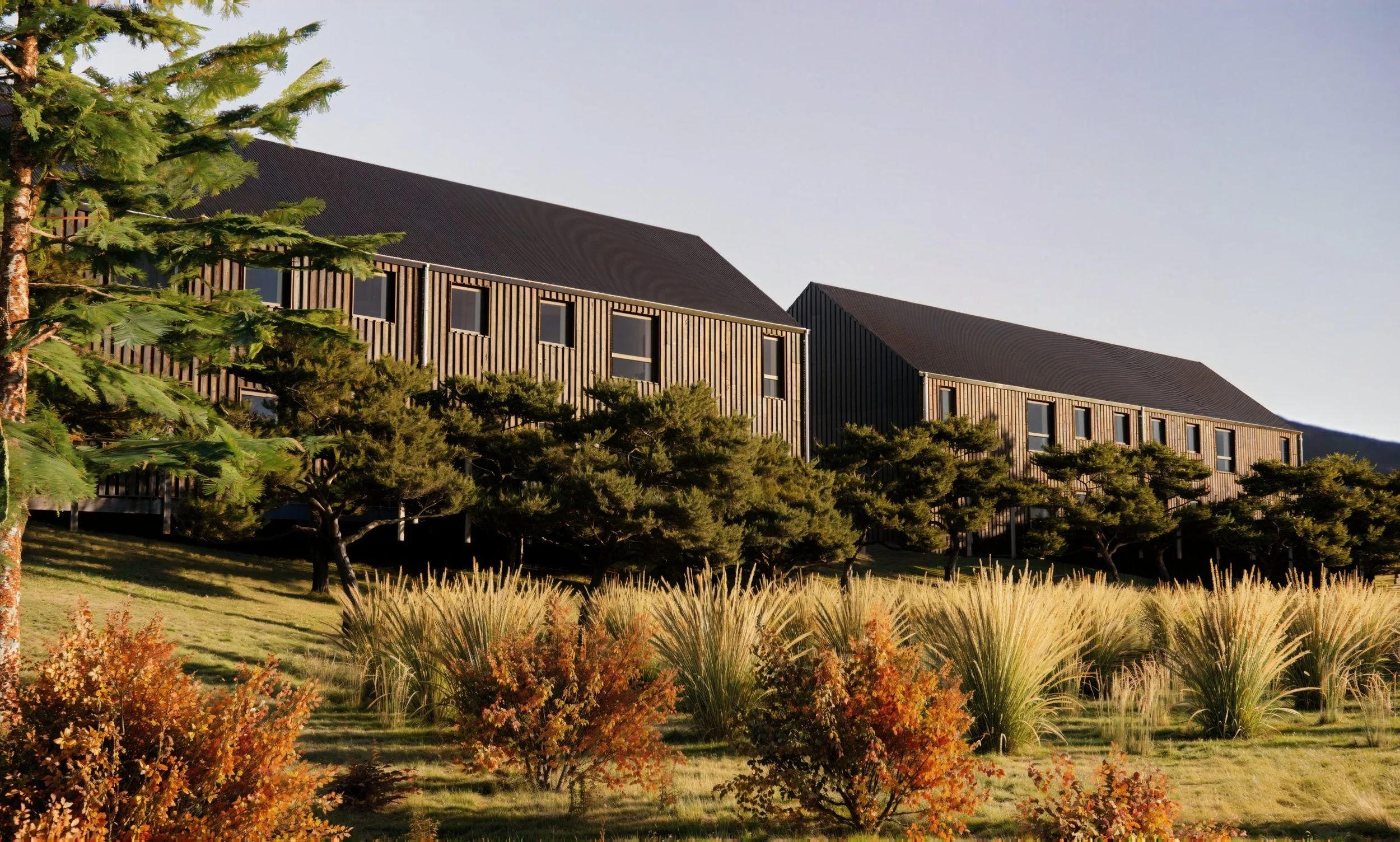
Energy and Environmental Performance
Solar generation to reduce long-term running costs.
NILAN Compact P system combining pre-heated MVHR and water heating for efficient, low-cost operation.
Timber-rich design with high-performing natural insulation, minimising heat loss and reducing carbon footprint.
Sustainable foul and surface water drainage systems with swales, ponds, and permeable surfaces directing clean outflow to the nearby burn.
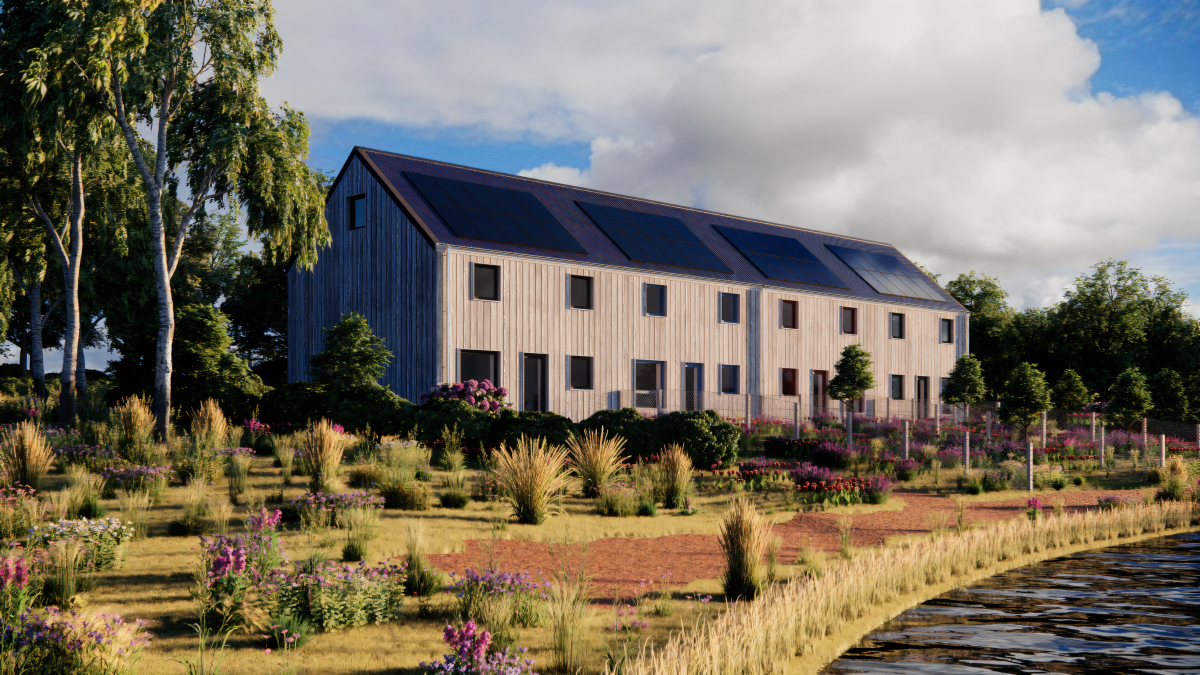
Biodiversity and Landscape Strategy
Wildflower areas and native grassland to attract pollinators.
Bee hives, bat boxes, and bird boxes to support wildlife.
Bug hotels and habitat corridors within planting zones.
Native hedging and trees for structure, screening, and seasonal interest.
Permeable paths to reduce surface water run-off.
Swales and ponds for water attenuation and habitat creation
Affordable Homes Case Study: Carbon Negative Highland Homes
Over ten years ago, while the construction industry was grappling with how to build lower-carbon homes, MAKAR was demonstrating it was possible to build healthy, carbon-negative homes that were also affordable.
These modest semi-detached homes are designed for intrinsic comfort, health and longevity. Their design ensures energy costs are low while keeping cool in the summer and warm in the winter.
Independent research from the University of East Anglia on four MAKAR terraced homes confirmed that these four Paradigm Homes were carbon negative on delivery when carbon sequestration was taken into account.
They have 27% lower embodied carbon than standard timber frame houses and 39% lower than brick-built Passivhaus equivalents. The research indicated the relative up-front embodied carbon of a four person two bed home to be around 26 tonnes, and, amazingly, each progressive timber-derived home was able to lock up 38 metric tonnes of sequestrated carbon. With approximately one tonne of CO2 stored per cubic metre of timber, these homes actively remove carbon from the atmosphere.
The full picture of ongoing emissions and therefore running costs of the home is also startling; for this four-person two-bed home, costs spread over a year came to around £5 / week of non-fossil-derived energy input for comfort.
Frequently Asked Questions
-
MAKAR Homes are designed to maximise space while keeping build costs low, and ensuring low energy usage and low heating costs. Additionally, the Paradigm Home can be sold as individual homes or in terrace combinations; they therefore suit a range of buyers:
They are ideal for local authorities looking for low carbon, low energy council or affordable housing.
They are well-suited to communities looking to purchase individual or multiple homes.
With rapid assembly and low build costs, even in remote areas, these homes are also perfectly suited to estates and companies looking to house rural families and workers.
Optimising health, light and space, these homes are wonderfully suited to buyers of individual homes, keeping costs low throughout the build and the building's life.
-
The Scottish Government are set to implement the Scottish equivalent to the Passivhaus standard, unveiling a timetable to introduce these revised standards in 2026, which will become mandatory from Autumn 2029. As regulations tighten in response to climate goals, properties already meeting or exceeding these standards will retain their value and desirability, making these homes future-proof investments.
As regulations tighten to meet climate goals, properties like MAKAR homes that already meet these standards will retain their value and desirability, making them future-proof investments. For developers, public authorities, and private buyers alike, it’s a sensible choice with a long-term payoff.
Our use of the Passivhaus Planning Package (PHPP) allows us to model and verify energy usage during the design stage. Performance targets are therefore embedded in the design and achievable from the outset. For residents, this translates to year-round comfort: cool in the summer, warm in the winter, and well-ventilated throughout.
You can find out more about Passivhaus and energy-efficient MAKAR homes here.
-
Our integrated service covers all aspects of the design and build, to a wind and watertight Shell for fit-out by others. We assume you already own a site, but if you have found one you like, then feel free to give our team a call. We can help with the decision-making process and undertake a site appraisal to help you consider the development potential of the site.
We can also deal with planning and building warrants; we have a dedicated architectural team that takes you through the entire design process.
To find out more about individual elements of MAKAR’s homebuilding, head to our Process page.
-
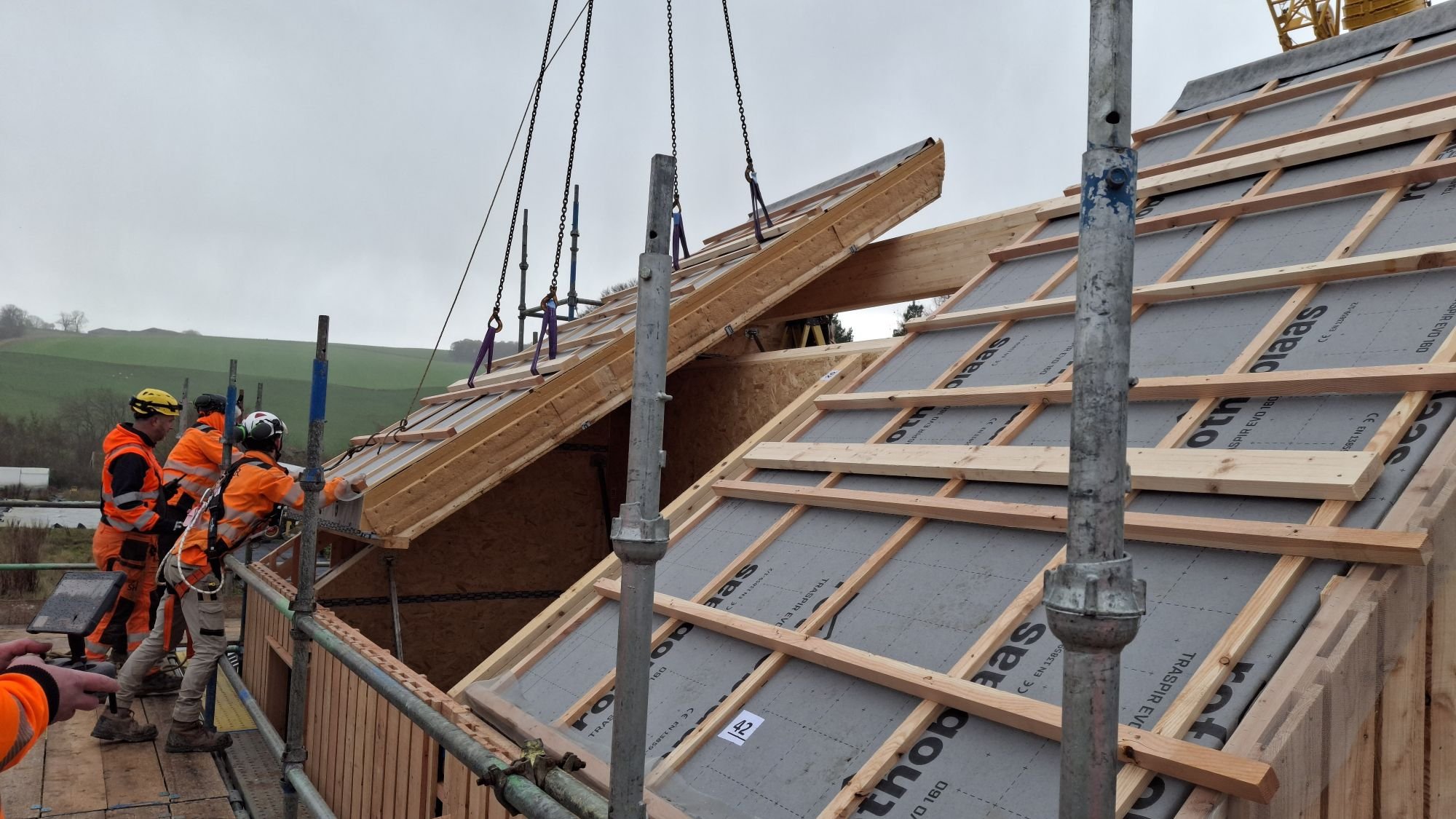
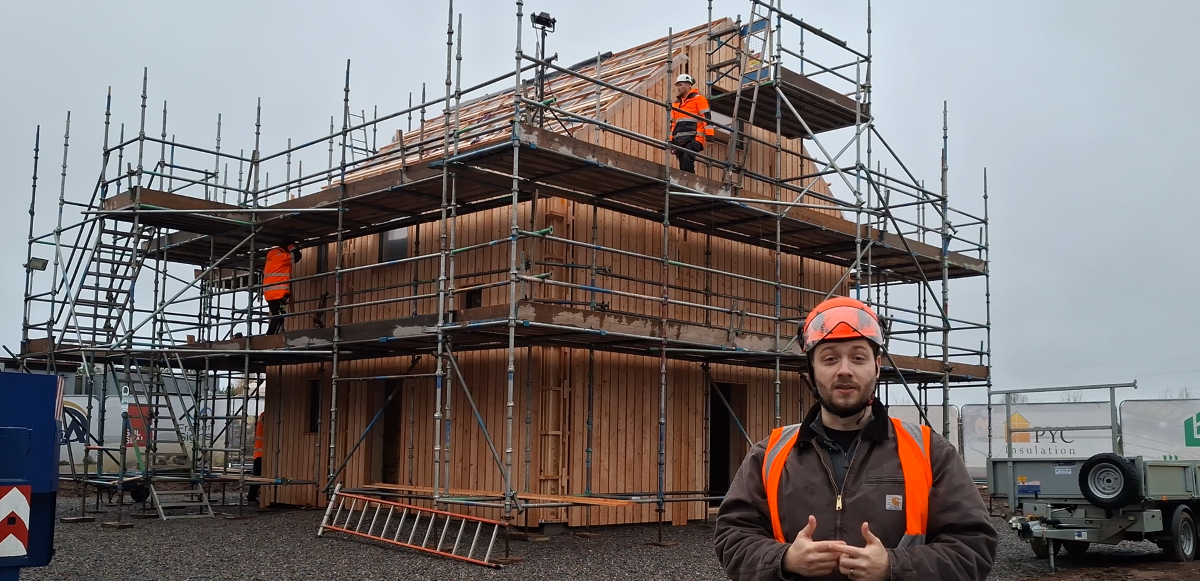
We assembled our prototype Optima Home (the Paradigm) in just 7 days! Traditional new build construction times in the UK are around 7-10 months. MAKAR’s Modern Methods of Construction (MMC) use a panelised system that allows us to dramatically reduce build times, also reducing build costs and waste.
Nonetheless, there are other stages to home-building, from design and planning to internal fit-out.
Find out more about our process.
-
Yes! Most of our projects to date have been in Scotland, but we can also deliver throughout the UK and Ireland, including the Highlands and Islands. We are fully equipped to manage projects in various locations, ensuring the same high standards of quality and efficiency. Our off-site construction and rapid assembly process is a key factor in this.
The location of your site in relation to our Inverness HQ will impact transport and labour costs, though most other costs will remain unaffected. Regardless of where your site is, we are committed to delivering exceptional service and craftsmanship.
-
Modelled heating bills for our 2-bed Paradigm Home are just £5.74 per week. With Highlands and Islands Enterprise and Datalab, we are measuring energy usage and costs over over 15 months, including two winters.
Though energy bills vary according to your own habits, your site conditions and the design of your home. According to the UK government a typical UK three-bed house will use over 15,000 kWh of energy per year on heating, lighting and cooking whereas a typical MAKAR three-bed will require just over 3,000-4000 kWh per year.
Using Passivhaus software we are able to model the likely energy requirements for space heating, based very accurately on the MAKAR system – down to the number of screws in the walls.
-
All MAKAR homes use the same kit, which far exceeds baseline Building Regulations. We achieve U values of 0.15 W/m²K (walls) and 0.12 W/m²K (roof). We use timber-framed triple glazing which typically has a U-value of 0.93 W/m²K.
-
This guide includes anticipated costs for all MAKAR home types within the Signature and Optima Ranges. Cost decrease for purchases of multiple homes.
Don’t just take it from us… read our reviews!
-
![]()
Councillor Helen Crawford
“This could be an answer to how we really need to do the energy transition. This is made from products in the Highlands. This is where we need to be in terms of the energy transition, fantastic! I’ve just spent the morning here in MAKAR just outside Inverness. This is where we need to be looking, this is where we need to provide support.”
-
![]()
Alex Laing, Logie Estate and Founder of Logie Timber
"I’ve known for a while how they build their houses. I had no idea that you could be up to roof height in 7 or 8 hours. It’s incredible. It’s immaculate here, there’s no waste. It’s not a typical building site by any means. Everything is really tidy and well organised, and that’s got to affect the end product"
-
![]()
Emma Roddick MSP
"It is a huge opportunity. I’ve seen inside the workshop and the feedback from people living in these homes. It’s incredible. If we are going to solve the housing crisis, we are going to need local solutions [...] here we are with a building that stores carbon and hasn’t needed much transport to get the timber here at all. That is just amazing."
-
![]()
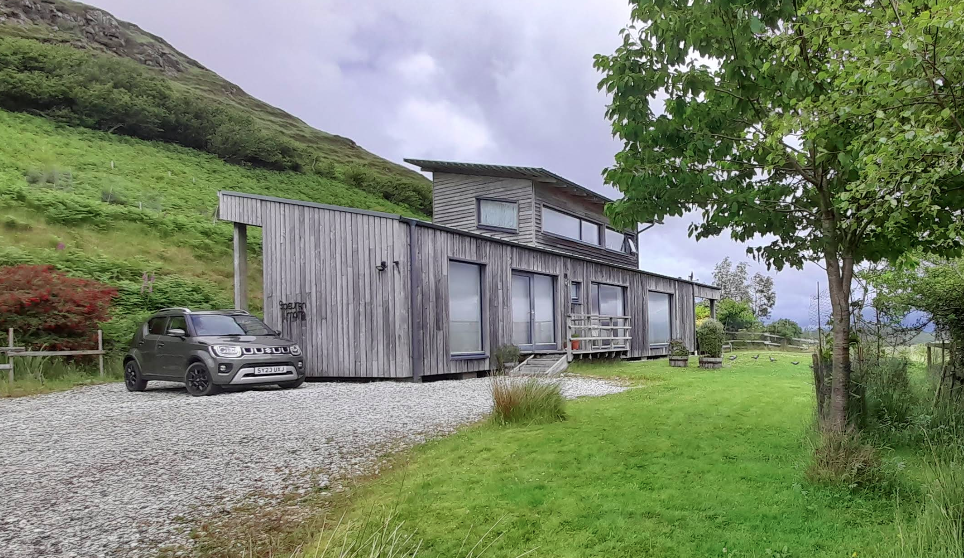
Willy Roe, MAKAR Homeowner
"We built a MAKAR home 5 years ago and it has changed our life. It is so beautiful in terms of its design and what it feels like to live in. It is a real joy to live in. It’s peaceful because it is so well built, bright, and it is so easy to run. Everything works like clockwork and operates silently. We wouldn’t choose to live in any other kind of house."
-
![]()
Keith Butler, MAKAR Homeowner
Over this time we have developed a deep love for this house which fits us like a glove. It is the most beautiful home we have ever had and it has stood strong against every kind of weather that has been thrown at it.
Its friendly fit, warmth, beautiful massive windows and more have locked us into a love affair. It breaks our hearts to leave this house.”
-
![]()
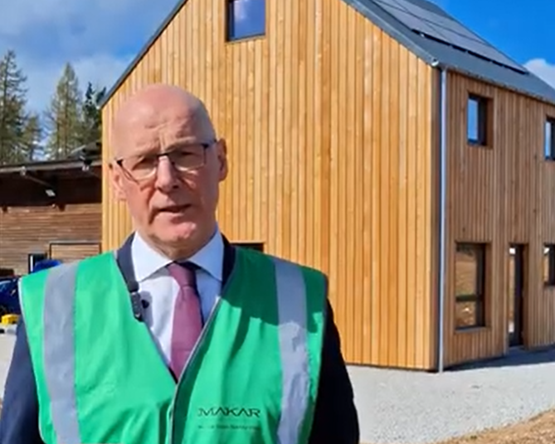
First Minister, John Swinney
“What I learned at MAKAR today is two important points. Firstly, that we can improve house design and do that in an affordable way that has a benefit for the long term of the individual residents. Secondly, that there are ways in which we can apply innovation and creativity to make sure that we succeed in our housing objectives a great deal more quickly than we might ordinarily believe was the case. I think it's a great contribution from MAKAR's innovation in the housing market in Scotland.”
-
![]()
Angus Macdonald, MP for Inverness, Skye and West Ross-shire
“MAKAR do environmentally friendly houses. They are far far cheaper to heat – 15% of the price of a normal house to heat – and that matters a great deal because we have a highest level of fuel poverty in Britain, we have weather that is much more challenging and we need housing of this quality to live comfortably in remote Scotland.”
A scalable model for inspiring homes in Scotland
Building a better future
At MAKAR, we are dedicated to building healthy homes using natural and sustainable materials, which allow our homes to breathe. Our commitment to sourcing local materials, like Scottish timber, strengthens the local economy and shortens the supply chain, while supporting renewable resources. Our homes are designed using Passivhaus energy performance software, keeping heating costs low, with certification dependent on site location.
Eco-friendly construction
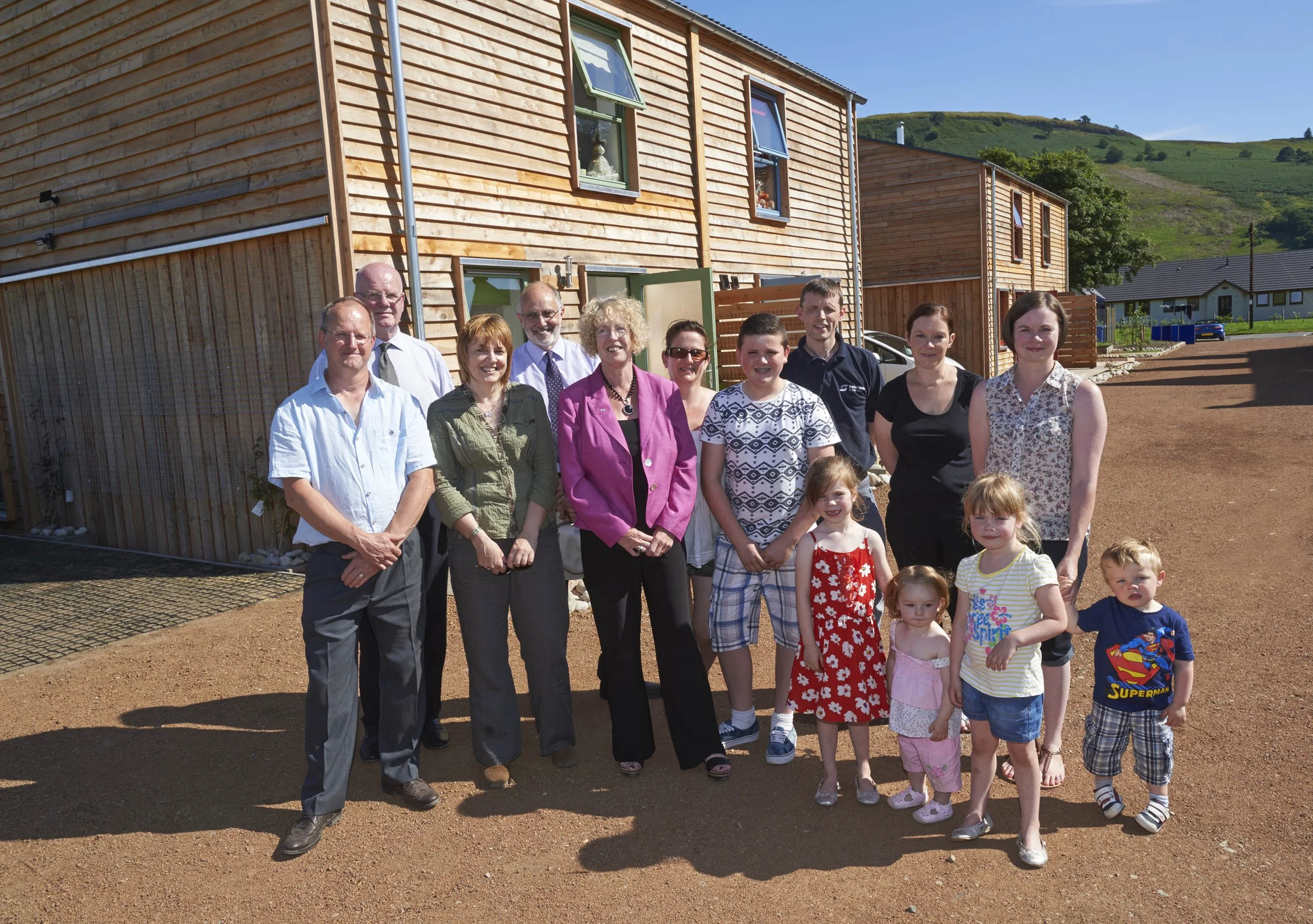
Our homes are precisely manufactured using an innovative off-site closed-panel construction method. This approach, combined with our unique design-for-manufacture process, results in beautiful, energy-efficient, and healthy homes. As a pioneer in eco-friendly building, we’ve been at the forefront of the movement toward sustainable living.
This construction method allows us to build in remote, rural and island locations around the UK and Ireland, as well as in highly built up areas, with minimum disruption and waste. Less time on site also means lower build costs
Leading the way to net zero
We pioneered an eco-friendly approach to home building. Today, we are market leaders in delivering true eco homes, demonstrating that timber-based systems with natural insulation are the only plausible way to achieve net zero carbon housing. Our homes aim to store more carbon in their fabric than is emitted during construction. Read more about our whole life cycle carbon approach, and our carbon measurement study of four semi-detached Highlands homes on our Net Zero Homes page.