
Our Ethos
The Future of Housing
Natural Timber-Rich Homes
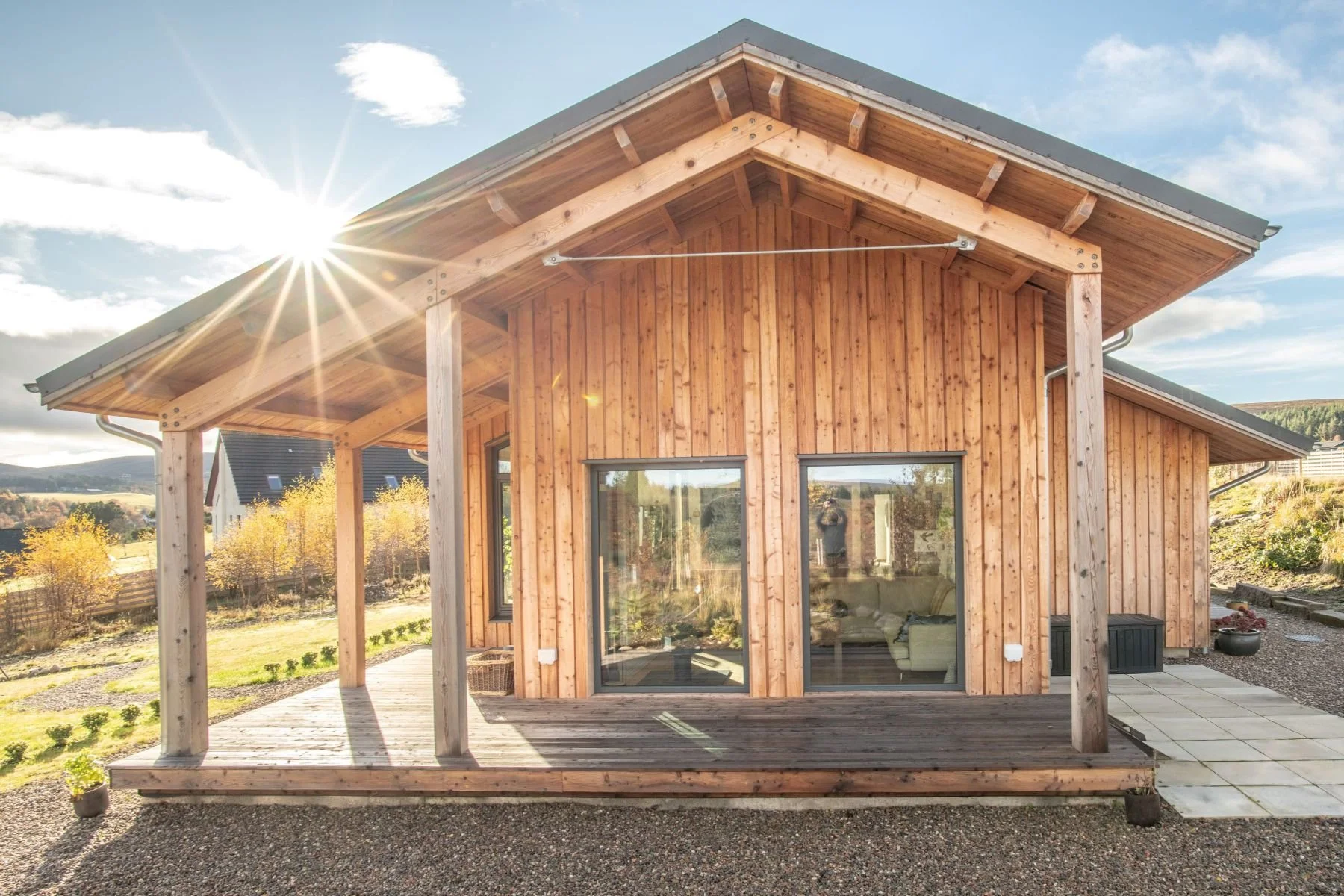
Beautifully designed homes, made from natural low carbon materials. Eliminating synthetic materials, we prioritise the use of Scottish timber and natural insulation.
Healthy Homes
Our biogenic homes prioritise occupant health, containing no toxic materials or treatments. Breathing wall construction avoids damp and mould and the associated health risks.
Net Zero Homes
MAKAR’s homes are net zero on delivery, with far lower embodied carbon than typical timber-frame homes and brick-built Passivhaus equivalents.
Energy Efficient Homes
Our homes are highly energy efficient and very low cost to heat. We follow a Fabric First and Passivhaus approch, with Mechanical Ventilation with Heat Recovery (MVHR)
Net zero timber homes are the only way forward
The construction of a building involves embodied carbon and operational carbon. Embodied carbon refers to the carbon dioxide released during the sourcing, manufacture, and transport of materials. Operational carbon, as the term suggests, is about the level of carbon dioxide released during the life of the building, such as through heating and lighting, etc.
It’s now widely recognised that the only plausible way to deliver net zero carbon housing is through the use of timber-based systems instead of steel and non-natural alternatives — exactly what we deliver at MAKAR. No alternative construction types can meet this requirement.
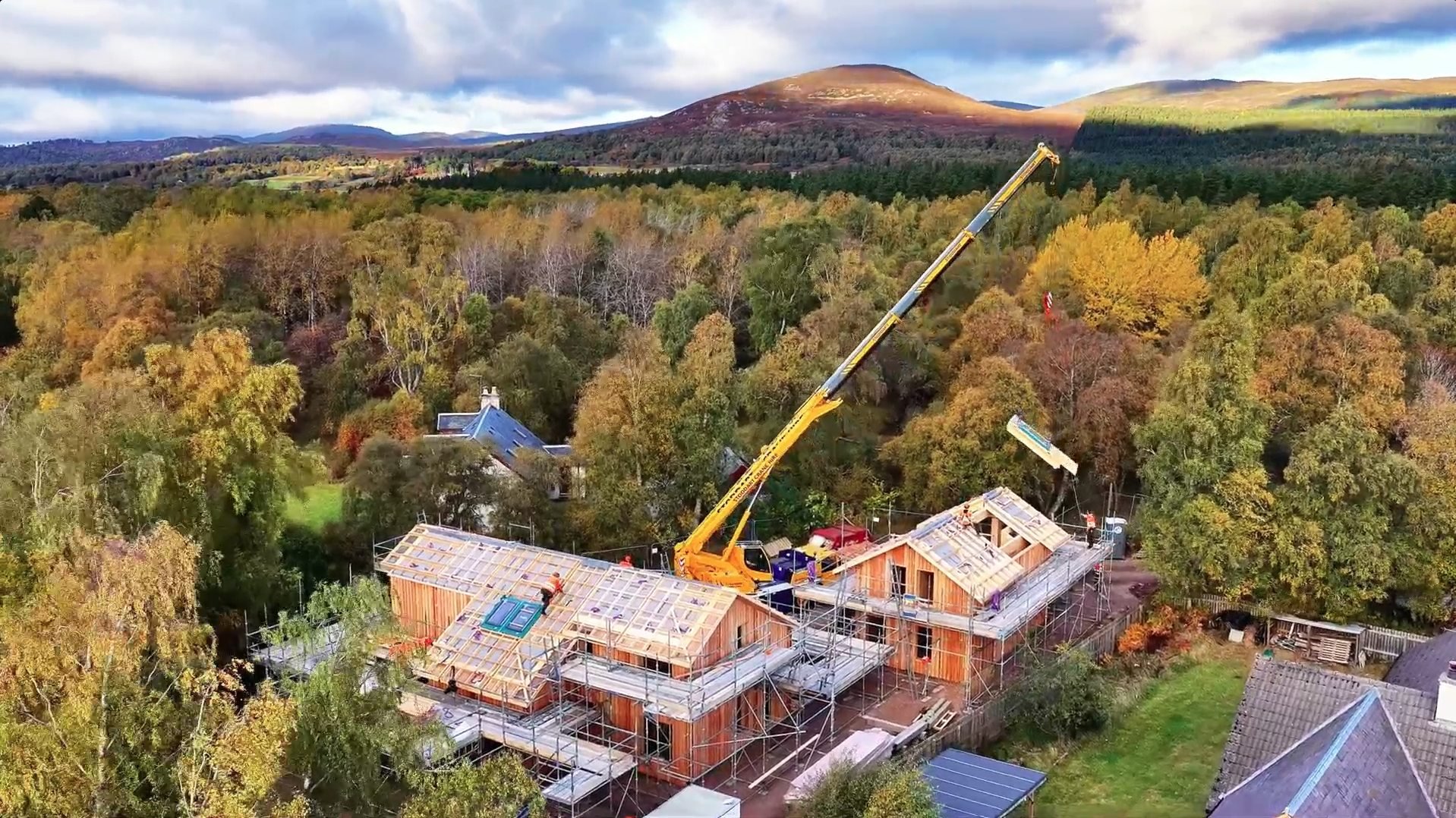
In partnership with the University of East Anglia, MAKAR carried out a carbon study of a small development in Easter Ross. The MAKAR approach demonstrated that carefully combining natural materials specification, responsible local procurement with a resource efficient off-site manufacturing process can radically reduce the embodied energy in new homes and enhance the positive environmental impact of new homes. Taking into account sequestration it is shown that Makar projects can be carbon negative at completion.
MAKAR represents the future of sustainable housing and a healthy built environment
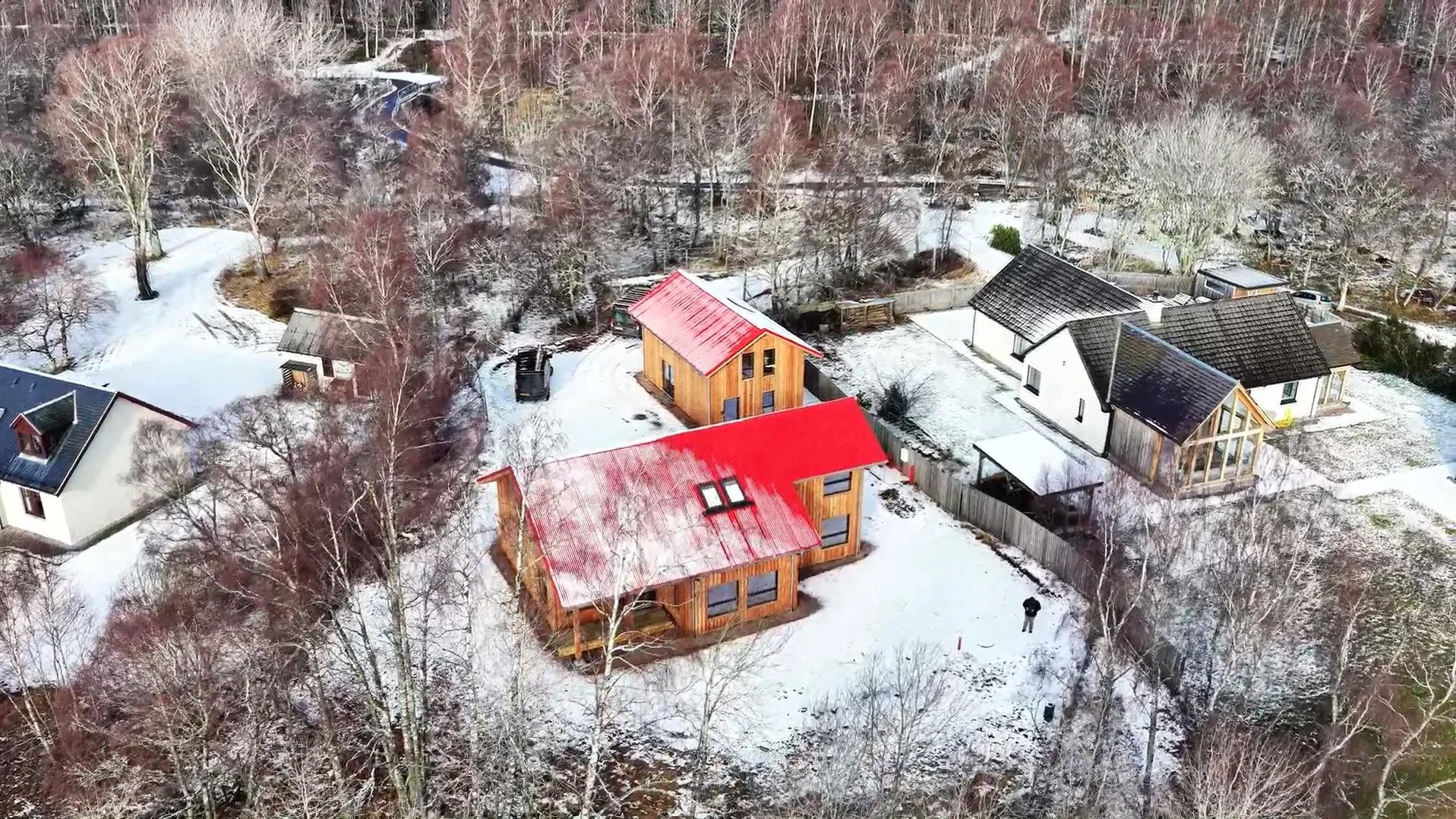
Our unique, healthy, off-site construction approach uses natural and local materials to create beautiful and inspiring buildings that contribute to a vibrant rural environment.
Long before the world awoke to the reality of climate change, we forged ahead with our innovative approach – hence why we’re at the leading edge of sustainable Design for Manufacture and Assembly (DfMA) and a market leader in delivering true eco homes and buildings.
We take care of every aspect of your environmentally friendly home build
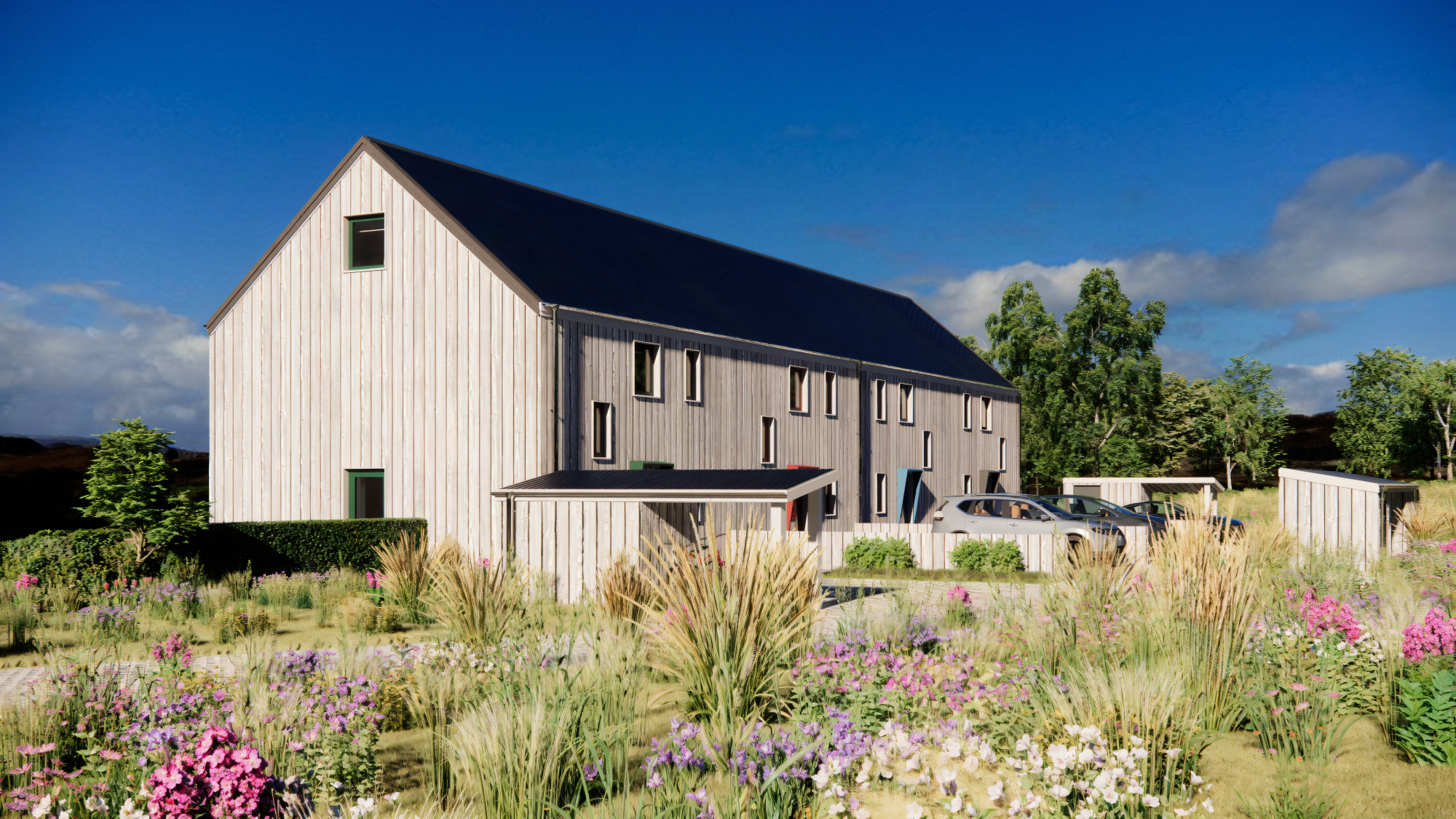
MAKAR’s complete design and build service gives our customers certainty over the quality, cost and workmanship of their new build project. We provide a single point of contact who will manage your project from the early design discussions, through the planning and building warrant processes, the manufacture of your home, throughout the construction on-site, to wind and watertight stage.
A Fabric First and Passivhaus approach
Five core principles underpin our Passivhaus approach:
Thermal bridge-free manufacture. MAKAR homes are designed to avoid heat leakage through joints and structural connections, ensuring thermal performance is not compromised.
Airtight superstructure fabric. We rigorously test every home for airtightness, targeting less than 0.6 air changes per hour. This ensures minimal heat escape, eliminates drafts, and ensures a consistently comfortable indoor environment.
High-quality insulation. Super-insulated envelopes using dense cellulose insulation in walls, floors and walls. This material not only provides excellent thermal resistance but also contributes to moisture control and sound dampening.
Mechanical Ventilation with Heat Recovery (MVHR). This advanced system continuously refreshes indoor air while recovering heat from outgoing stale air. It reduces energy loss and improves indoor air quality, improving occupant health.
Robust window and door performance. Triple-glazed windows are carefully positioned to maximise passive solar gain while minimising heat loss. With durable timber frames, these windows enhance the overall integrity of the building envelope.
Watch a video of one award-winning Passivhaus home.
The Scottish Government are set to implement the Scottish equivalent to the Passivhaus standard, unveiling a timetable to introduce these revised standards in 2026, which will become mandatory from Autumn 2029. As regulations tighten in response to climate goals, properties already meeting or exceeding these standards will retain their value and desirability, making these homes future-proof investments. MAKAR homes already meet or exceed these standards
Frequently Asked Questions
-
1. Timber homes can reduce stress, with studies showing timber surfaces have a measurable calming effect, unlike synthetic materials.
2. Timber-rich environments can boost cognitive function productivity, with research demonstrating that natural materials, particularly timber, can enhance memory retention, concentration, and creative problem-solving.
3. Seeing wood can help with mood regulation and psychological well-being, helping elevate mood, eliciting a sense of energy and comfort.
4. Timber-rich homes enhance air quality and lower exposure to toxic components, reducing exposure to pollutants, and contributing to improved indoor air quality. MAKAR goes one step further in this by using untreated timber.
Additionally, timber’s vapour-permeable properties can help regulate humidity, reducing the likelihood of mould formation and respiratory issues.
5. Mechanical Ventilation with Heat Recovery (MVHR) systems continuously refreshes indoor air while recovering heat from outgoing stale air, reduccing energy loss and improving indoor air quality.
-
The Scottish Government are set to implement the Scottish equivalent to the Passivhaus standard, unveiling a timetable to introduce these revised standards in 2026, which will become mandatory from 2029. As regulations tighten in response to climate goals, properties already meeting or exceeding these standards will retain their value and desirability, making these homes future-proof investments.
MAKAR homes already meet these standards.
-
A 'fabric first' approach to building design involves maximising the performance of the components and materials that make up the building fabric itself. A well-designed fabric dramatically reduces the energy demand the building needs to meet in the first place, making renewable systems smaller, cheaper, and more effective.
For example, you can look at MAKAR’s u-values, which measure how quickly heat passes through a particular construction element, inwatts per metre squared Kelvin (W/m²K).
Materials with lower U-values are better insulators, meaning less heat is lost from the inside to the outside, and the more energy efficient your home will be.We achieve U values of 0.15 W/m²K (walls) and 0.12 W/m²K (roof). We use timber-framed triple glazing which typically has a U-value of 0.93 W/m²K.
-
In short, yes! There are just a variety of different ways of spelling Passiv Haus / Passive House / Passivhaus.